
When it comes to skin, prevention will always outperform correction. The best time to start protecting your skin is not when wrinkles appear, when pigmentation develops, or when elasticity begins to decline. Prevention should begin in your 20s, because what we do in our younger years often only becomes visible much later. At Shape Clinic, we focus on long-term skin health, and that starts with building the right foundation early.
Key Takeaways
- Start your defence in your 20s. UV damage is cumulative and often sits beneath the surface for decades. Early use of antioxidants and sunscreen prevents up to 80% of visible signs of photoageing.
- Neutralise oxidative stress daily. Use a clinically validated antioxidant, like Vitamin C, every morning to shield your skin from pollution, blue light, and free radicals that break down collagen.
- Adapt your strategy by decade. Move from protection in your 20s to gentle stimulation in your 30s and structural reinforcement in your 40s. Proactive care reduces the need for aggressive corrective medical aesthetic treatments later in life.
Why Prevention Matters
Ageing is not simply about time passing. It is driven by multiple external and internal factors, including UV exposure, environmental pollutants, ozone, blue light from devices, diet, stress, and chronic inflammation. All of these factors trigger free radical formation in the body.
Free radicals are unstable molecules that damage healthy skin cells, collagen, elastin, and even DNA. When left unneutralised, they create a cascade effect—a chain reaction of cellular damage known as oxidative stress. Oxidative stress accelerates visible ageing. If we do not interrupt this process early, the damage accumulates silently beneath the surface and only becomes visible years later.
Antioxidants: The First Building Block
From a skincare perspective, the first building block of any preventative routine is an antioxidant. Antioxidants neutralise free radicals before they can cause widespread damage. In a climate like Australia, where UV exposure levels are among the highest in the world, daily antioxidant protection becomes even more important. Consistent antioxidant use helps reduce oxidative stress, support collagen preservation, defend against environmental damage, and minimise inflammation.
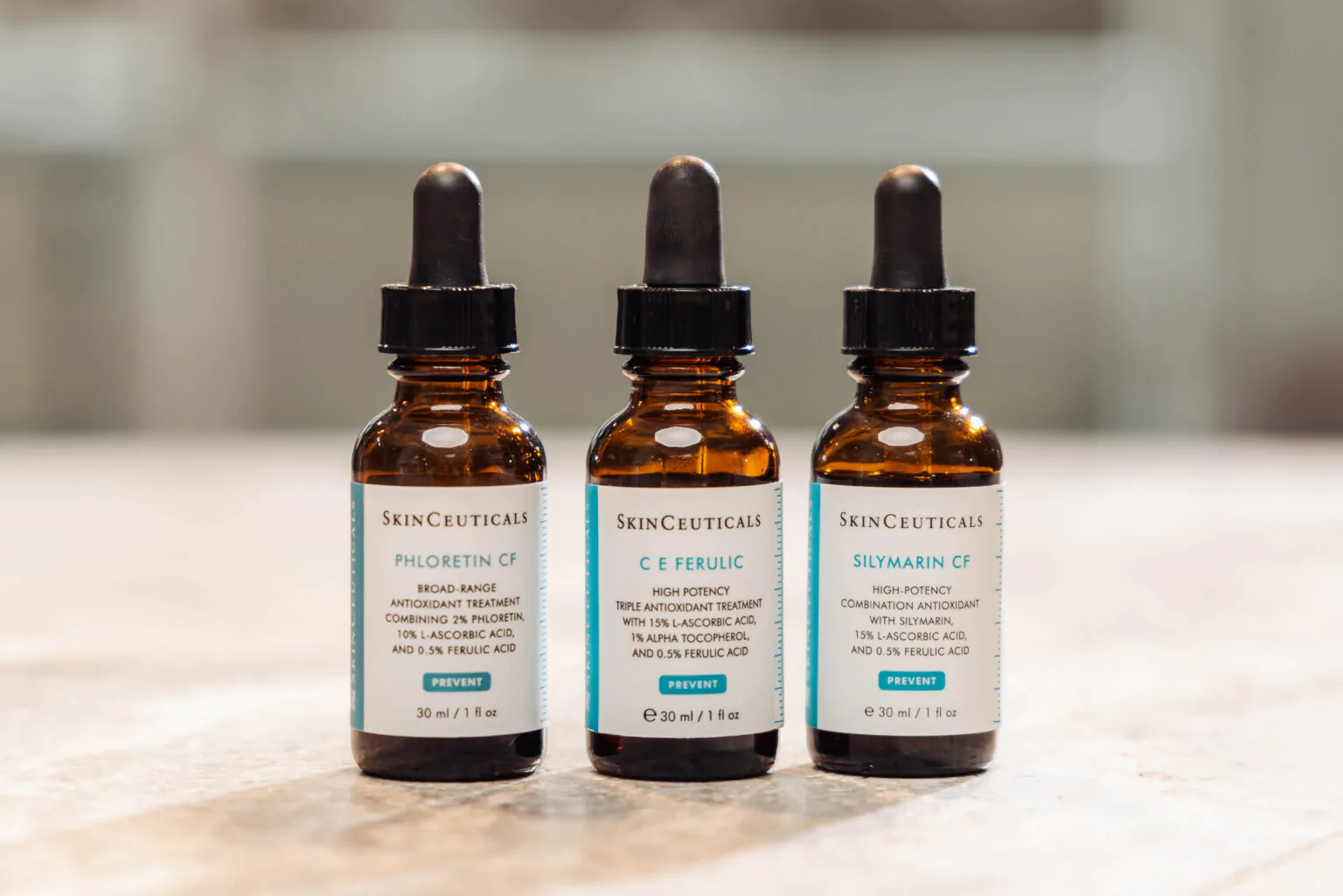
Vitamin C is one of the most well-known and extensively researched antioxidants in skincare. One of the most proven and clinically validated formulations, and still considered the benchmark in antioxidant science more than 20 years later is SkinCeuticals C E Ferulic. It sets the gold standard for stability, penetration, and photoprotection. Research published in the Journal of Clinical and Aesthetic Dermatology confirms that topical antioxidants significantly enhance the skin’s ability to defend against UV-induced damage.
Antioxidants are arguably the single most important ingredient in your morning routine. They act as your daytime defence shield, helping to neutralise free radicals generated by UV, pollution, ozone, and environmental stress. While they do not reverse existing damage, they play a critical role in preventing damage from escalating and becoming cumulative.
Sunscreen: Non-Negotiable
If we are not protecting the skin from UV exposure, we may as well not do anything else. Sunscreen is your number one anti-ageing product. Sun damage is responsible for up to 80% of visible skin ageing, a process known as photoageing. When UV penetrates the skin, it breaks down collagen, degrades elastin, damages DNA, increases pigmentation, triggers inflammation, and weakens the skin barrier.
This damage does not always show immediately. In your 20s, your skin may still appear firm and resilient, but UV damage accumulates beneath the surface. Your skin remembers and over time, this leads to fine lines, wrinkles, loss of firmness, uneven pigmentation, broken capillaries, and thinning skin. What we often do in our younger years—unprotected sun exposure, tanning, inconsistent sunscreen use—manifests much later. Collagen and elastin degradation is cumulative, and once these proteins are significantly depleted, rebuilding them is far more difficult than protecting them early. Prevention is always easier.
Retinol in Your Late 20s and Early 30s
As we move into our late 20s and early 30s, collagen production naturally begins to decline. This is an appropriate time to introduce a tolerable retinol into a routine. The goal is not to overstimulate or irritate the skin. The goal is regulation. Retinol stimulates collagen production, supports elastin integrity, regulates cell turnover, improves pigmentation, and helps maintain skin luminosity. When used appropriately, it triggers beneficial responses within the skin to maintain structure and resilience. We are not trying to aggressively treat ageing, we are just aiming to slow its progression.
Protecting Collagen, Elastin and Hyaluronic Acid
Collagen provides firmness. Elastin gives the skin bounce and resilience. Hyaluronic acid maintains hydration and plumpness. These are critical structural components of healthy skin. Inflammation accelerates their breakdown. That is why prevention is not about “more,” or only about skincare products; it is about reducing systemic inflammation. Staying hydrated, eating nutrient-dense foods, managing stress, protecting the skin barrier, avoiding over-exfoliation, and wearing sunscreen daily all contribute to preserving these essential components.
Skin health is holistic. We are now seeing a shift in the industry, where ingredients traditionally taken orally are being applied topically and vice versa. The line between internal and external support is becoming increasingly integrated. True prevention addresses both.
Inflammation: The Silent Driver of Ageing
Inflammation is one of the most significant contributors to accelerated ageing. Chronic, low-grade inflammation breaks down collagen and impairs the skin’s ability to repair itself. When we talk about anti-ageing, we are often really talking about inflammation control. According to research from Healthdirect Australia, maintaining the skin’s protective barrier is the first line of defence against environmental irritants that trigger this inflammatory response.
Antioxidants reduce oxidative stress. Sunscreen prevents UV-triggered inflammation. Barrier support prevents irritant-induced inflammation. Retinoids regulate dysfunctional cell behaviour. Peptides help the skin to signal repair, strengthen structural proteins, and support collagen synthesis. Growth factors go a step further by supporting cellular regeneration and wound-healing pathways, helping to improve firmness and resilience over time. Each of these compounds works on a different layer of the same problem: controlling inflammation, preserving structure, and supporting repair.
The Shape Clinic Approach to Prevention
Prevention is not about doing everything at once. It is about consistency. The habits you build in your teens and 20s determine the skin you will have in your 40s, 50s, and beyond.
In your 20s: This is your protection decade. It means daily sunscreen, antioxidant protection, and barrier support. Collagen production is still robust, but UV exposure and oxidative stress are already accumulating beneath the surface.
In your late 20s to early 30s: Introduce a tolerable retinoid while continuing antioxidants and maintaining strict sun protection. The earlier we protect collagen and elastin, the less corrective intervention we require later.
By the mid to late 30s: Structural decline becomes more noticeable. Collagen and elastin production are slower, and cumulative UV exposure may begin to present as pigmentation, fine lines, and mild laxity. At this stage, we shift from protection to gentle stimulation. This is often where appropriately prescribed, evidence-based skin treatments may be considered as part of a broader skin health plan.
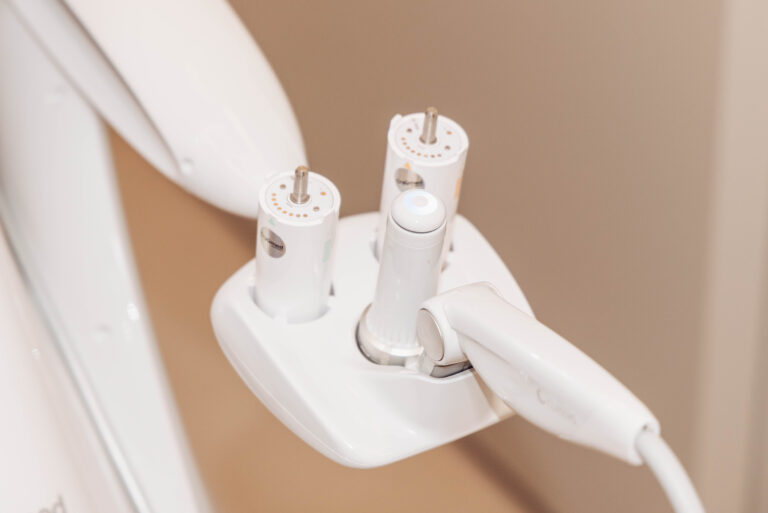
In your 40s: Hormonal changes can accelerate collagen loss and impact hydration levels. Skin may appear drier and slower to recover. This decade is about preservation and strategic correction without compromising the skin’s barrier. Signalling becomes increasingly important. Carefully selected collagen-stimulating treatments, such as Ultraformer MPT or energy-based devices like EMFACE, may play a role when clinically indicated.
By your late 40s and approaching 50: Collagen reserves are significantly lower than they were two decades earlier. Prevention now becomes longevity-focused care. The goal is structural reinforcement, supporting volume where appropriate, maintaining contour, and using technologies such as CO2 Laser resurfacing to stimulate collagen renewal.
In your 60s and beyond: The emphasis shifts further toward skin resilience and regeneration. Longevity becomes the priority. Here, the strategy centres on protecting the barrier, reducing inflammation, and maintaining facial harmony through subtle structural support and regenerative approaches like Rejuran.
Final Thoughts
Sun damage is cumulative. Collagen loss is progressive. Inflammation accelerates both. The good news is that much of this is within your control. Protect early. Stimulate intelligently.
Start Your Skin Longevity Journey Today
Whether you are in your 20s looking to protect your natural glow or in your 40s seeking to reinforce skin structure, a personalised clinical plan is essential. At Shape Clinic, we combine world-class expertise with advanced technology to ensure your skin remains resilient at every age.
Explore our non-surgical medical aesthetic treatments or book a consultation with our specialist team to future-proof your skin.