Surgical
Lower Blepharoplasty (Lower Eye Lift)
A surgical procedure that may involve the removal or repositioning of skin and orbital fat to modify the structure and appearance of the upper eyelid.

PDO (polydioxanone) mono threads are very fine, dissolvable sutures placed just beneath the surface of the skin by a qualified practitioner. They are designed to create a temporary supportive framework under the skin, which may help improve the appearance of skin texture and firmness over time. The threads gradually dissolve over several months.
PDO mono threads have been used in cosmetic procedures internationally for many years. At Shape Clinic, they may be considered as a stand-alone procedure or discussed alongside other cosmetic options during consultation.
PDO mono threads may be applied to improve the visible appearance of skin in areas such as:

To support safe treatment and reduce the risk of side effects, your practitioner may recommend avoiding certain activities or products before your procedure. General guidance can include:
PDO mono threads are absorbable threads placed under the skin by a qualified practitioner. The procedure may help improve the appearance of skin texture and firmness over time. Some people notice gradual changes, but experiences differ between individuals, and no result can be guaranteed.
Your practitioner may discuss whether PDO mono threads can be combined with other cosmetic procedures, depending on suitability and your treatment plan.
PDO mono threads may be considered for people seeking a non-surgical procedure to improve the appearance of skin firmness or fine lines. Individual suitability depends on factors such as skin type, age, and medical history. A consultation with a qualified health practitioner is required to determine if this procedure is appropriate for you.
PDO mono threads are made from polydioxanone (PDO), a material that has been used in medical applications for many years. The threads gradually dissolve over several months. As with any cosmetic procedure, there are risks and possible side effects, including bruising, swelling, or discomfort. Suitability and safety will be confirmed during consultation.
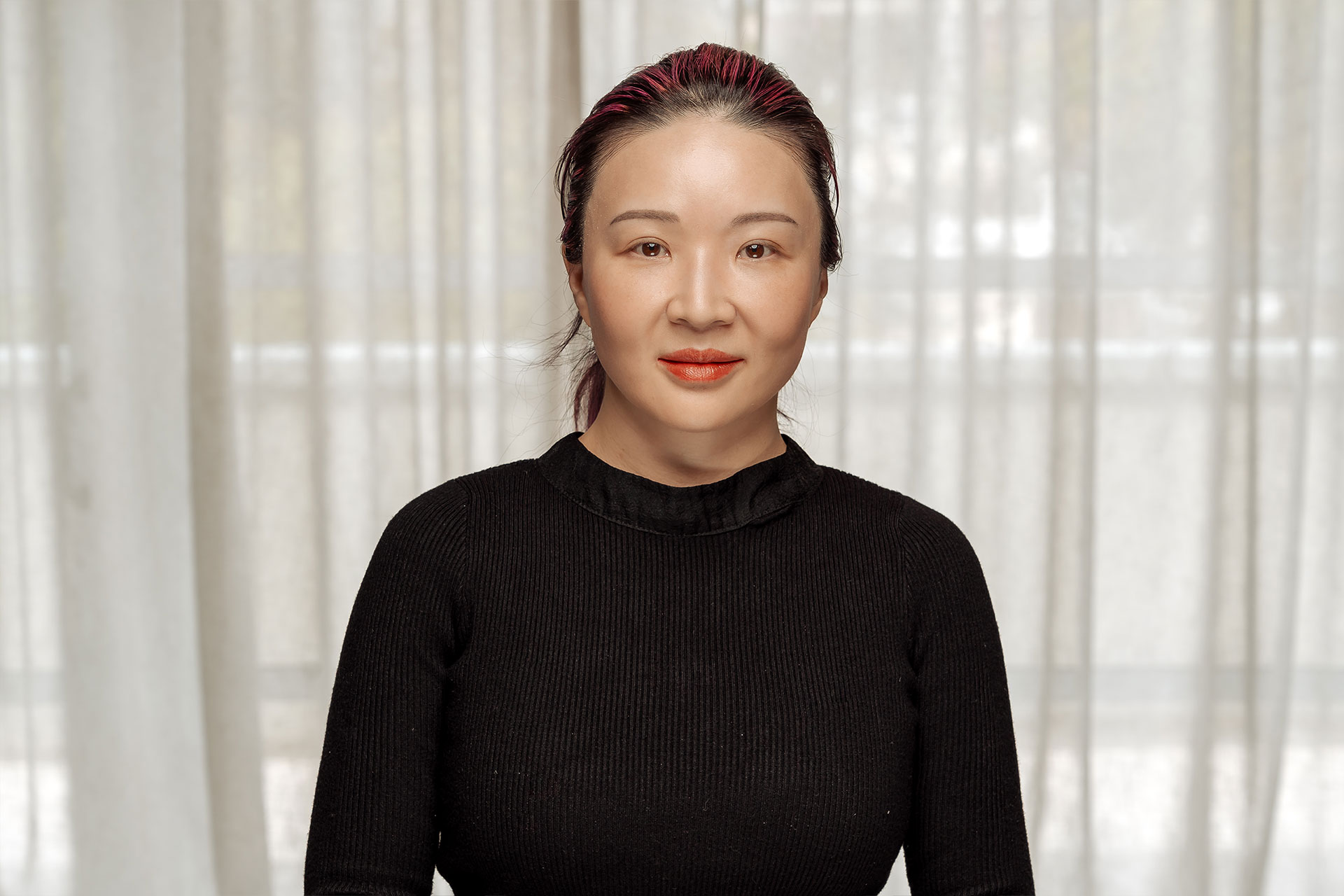
Dr Danae Lim is a cosmetic physician with 16 years’ medical experience.
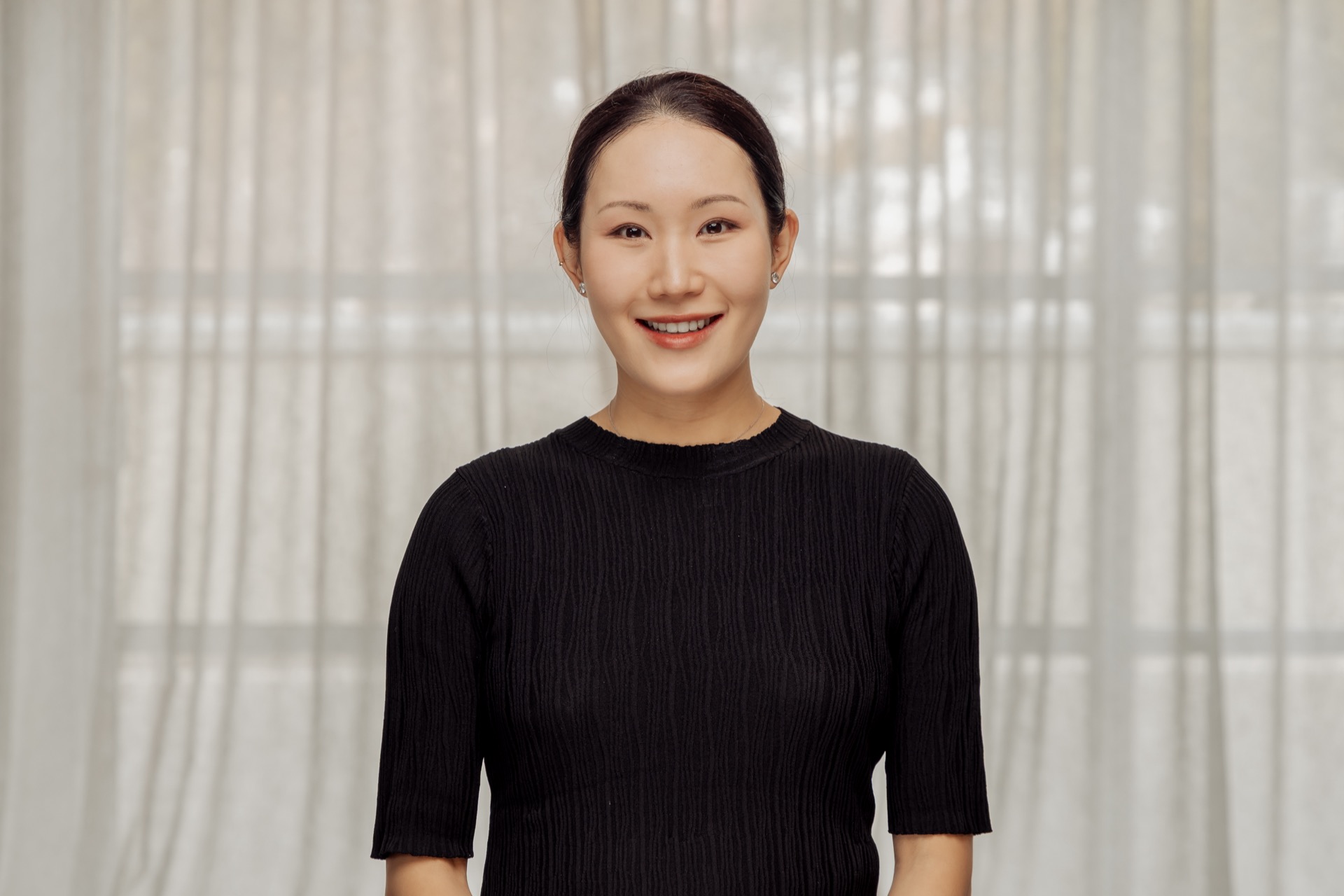
Dr Emma Kim’s expertise includes lasers, injectables, energy based devices and skin rejuvenation.

Bernice has a legion of loyal clients and is well regarded as one of Australia’s leading injectable nurse and laser specialists.
A surgical procedure that may involve the removal or repositioning of skin and orbital fat to modify the structure and appearance of the upper eyelid.
A polynucleotide derived from salmon DNA with the aim of improving the appearance of the skin and reducing inflammation.
A polynucleotide derived from salmon DNA with the aim of improving the appearance of the skin and reducing inflammation.
A polynucleotide derived from salmon DNA with the aim of improving the appearance of the skin and reducing inflammation.
These treatments may help improve the appearance of certain skin or facial features.
A polynucleotide derived from salmon DNA with the aim of improving the appearance of the skin and reducing inflammation.
Also known as facelift surgery, Rhytidectomy is a surgical procedure that repositions the soft tissues of the midface and lower face and removes areas of excess skin.
Also known as neck lift surgery, Cervicoplasty involves the removal of excess skin from the neck and under-chin areas.
Risks & Recovery



From 1 July 2023, Australian Government regulations require confirmation that visitors accessing content related to medical aesthetic procedures are over 18 years of age.
This website contains information about elective cosmetic and plastic surgery procedures, which are not medically necessary. All information provided is for general educational purposes only and is not a substitute for professional medical advice.
Some procedures may involve the use of prescription-only medicines (Schedule 4 substances), which cannot be advertised to the public. Individual suitability, potential risks and outcomes can only be discussed during a private consultation with a qualified health practitioner.
By selecting enter, you confirm that you are 18 years or older and understand that the content on this site relates to non elective cosmetic procedures.