Surgical
HIFU Treatment Sydney
Also known as facelift surgery, Rhytidectomy is a surgical procedure that repositions the soft tissues of the midface and lower face and removes areas of excess skin.

PDO (polydioxanone) mono threads are very fine, dissolvable sutures placed just beneath the surface of the skin by a qualified practitioner. They are designed to create a temporary supportive framework within the skin, which may help improve the appearance of skin texture and firmness over time. The threads gradually dissolve over several months as the body naturally absorbs them.
PDO mono threads have been used in cosmetic procedures internationally for many years. At Shape Clinic in Sydney, they may be considered as a stand-alone treatment or discussed alongside other cosmetic options as part of your consultation.
PDO mono threads may be used to help improve the visible appearance of skin in a range of areas, including the upper and lower cheeks, neck and jawline, jowl region, marionette lines, forehead and brow area, and nasolabial folds.
Suitability for treatment in any of these areas is assessed on an individual basis during your consultation.

Disclaimer
PDO Mono Threads – What to Expect & Aftercare
Preparation
To support safe treatment and reduce the risk of side effects, your practitioner may recommend avoiding certain activities or products beforehand. General guidance can include:
In the week before treatment: avoid other cosmetic skin procedures such as chemical peels, microneedling, or injectables, and limit excessive sun exposure.
The day before treatment: avoid alcohol consumption.
On the day of treatment: ensure your skin is clean and free of makeup, stay well hydrated, and inform your practitioner of all medications, supplements, and medical conditions so they can provide tailored advice.
Aftercare
After treatment, the treated area may feel tender, and small entry points will need time to heal. To support recovery:
Avoid touching or manipulating your face for the first 24–48 hours. Temporary swelling or bruising may occur and usually resolves within several days. Sleeping with your head elevated and applying cool compresses may help with comfort. Avoid alcohol and activities involving excess heat, such as saunas, steam rooms, or vigorous exercise, for several days.
Your practitioner will provide personalised instructions, including what to do if you experience discomfort or have any concerns.
Disclaimer
PDO mono threads are absorbable threads placed under the skin by a qualified practitioner. The procedure may help improve the appearance of skin texture and firmness over time. Some people notice gradual changes, but experiences differ between individuals, and no result can be guaranteed.
Your practitioner may discuss whether PDO mono threads can be combined with other cosmetic procedures, depending on suitability and your treatment plan.
Disclaimer
PDO mono threads are fine, smooth threads made from polydioxanone, a biodegradable material, which are inserted into the skin using a fine needle. They work by stimulating the skin’s natural collagen production as the threads gradually dissolve over time, helping to improve skin texture, firmness, and overall quality.
The procedure is generally well tolerated, as a local anaesthetic is typically used to numb the treatment area beforehand. Some patients may experience mild discomfort, pressure, or a pulling sensation during the procedure, with any soreness or tenderness afterwards usually subsiding within a few days.
PDO (polydioxanone) mono threads are generally considered a safe treatment option when performed by an appropriately qualified health practitioner, as the material is biodegradable and has long been used in surgical procedures. As with any cosmetic treatment, there are potential risks and side effects, which your practitioner will discuss with you during your consultation to ensure the treatment is suitable for your individual circumstances.
Results from a thread lift typically last between 12 to 18 months, depending on factors such as the type of threads used, the area treated, and individual factors such as skin quality, lifestyle, and the natural ageing process.
PDO mono threads can be used to treat a range of areas, including the face, neck, and décolletage, and may help to improve skin quality, texture, and firmness in these regions. Suitability for specific areas is assessed during consultation.
Suitability for PDO mono threads varies depending on individual skin concerns, goals, and medical history. A consultation with an appropriately qualified health practitioner will allow for a thorough assessment to determine whether this treatment is appropriate for you.
To support a safe recovery following PDO mono thread treatment, it is generally recommended to avoid touching or applying pressure to the treated area for a few days, avoid strenuous exercise, saunas, and excessive facial movements such as wide yawning or vigorous chewing for around 1 to 2 weeks, and avoid sun exposure. Your practitioner will provide specific aftercare instructions tailored to your treatment.
Results from PDO mono threads typically develop gradually as collagen production increases. There may be improvements in skin firmness, texture, and overall quality becoming more noticeable over the following weeks to months. Individual results vary depending on factors such as skin condition, the area treated, and adherence to aftercare advice.
PDO mono threads and thread lifts both use polydioxanone material, but they differ in their purpose and technique. Mono threads are smooth threads inserted to stimulate collagen production and improve overall skin quality, texture, and firmness, without providing significant lifting effect. Thread lifts, by contrast, use barbed or cogged threads designed to grip the skin and provide a mechanical lifting and repositioning effect, in addition to stimulating collagen production.
As both treatments carry individual risks and considerations, it’s important to have a consultation with an appropriately qualified and experienced practitioner to determine which option, if any, is suitable for your concerns and goals.
Disclaimer
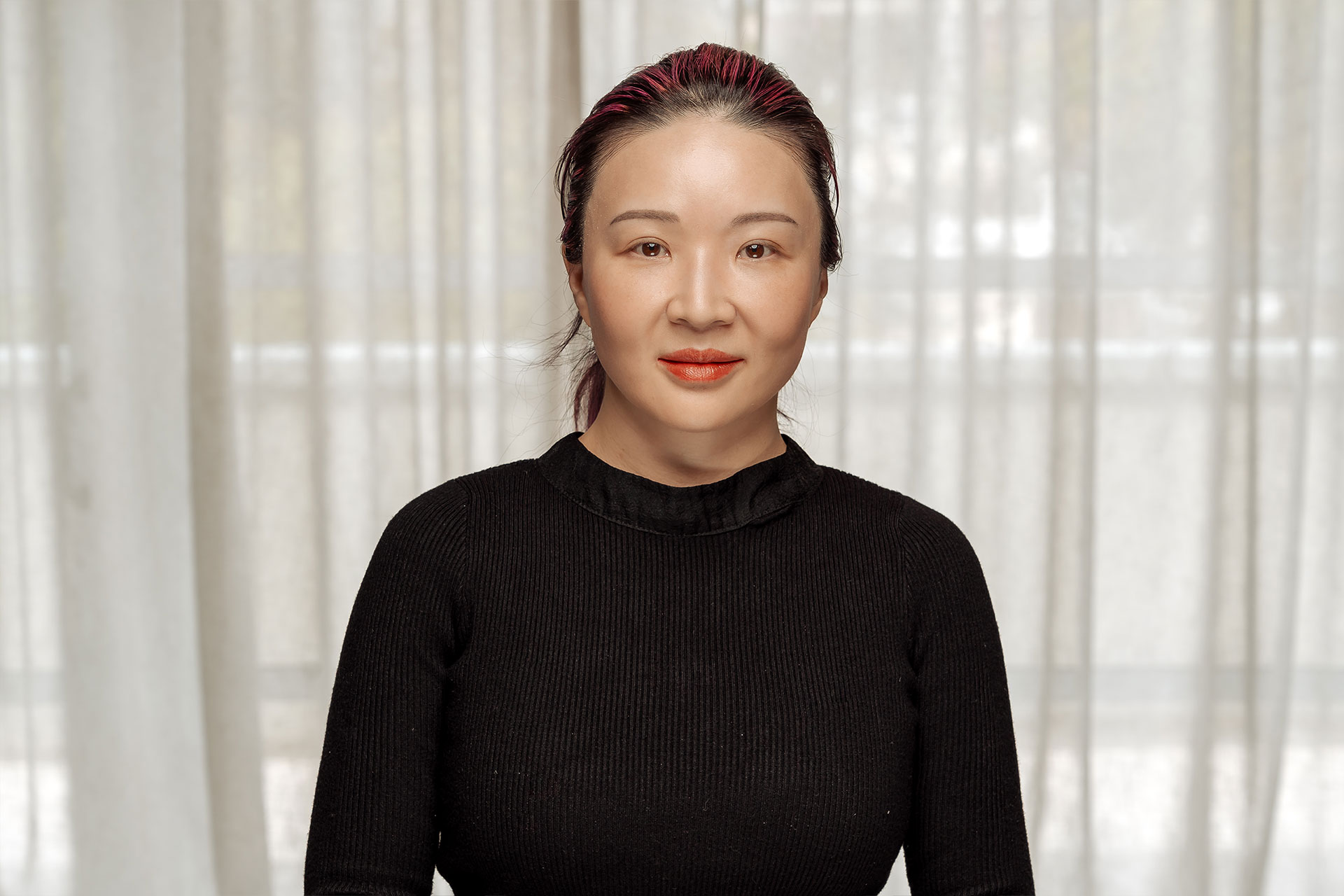
Dr Danae Lim is a cosmetic physician with 16 years’ medical experience.
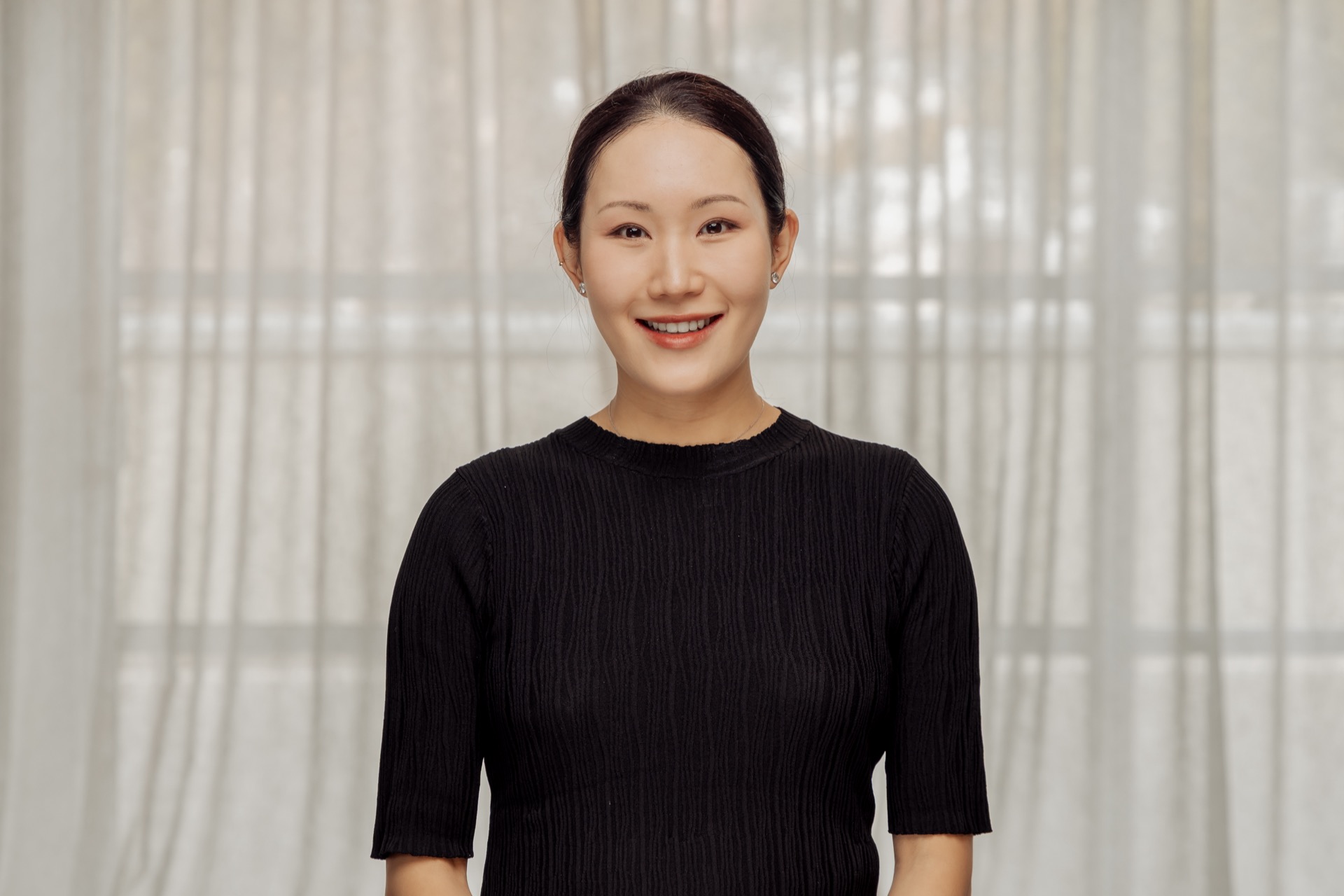
Dr Emma Kim’s expertise includes lasers, injectables, energy based devices and skin rejuvenation.

Bernice has a legion of loyal clients and is well regarded as one of Australia’s leading injectable nurse and laser specialists.
Also known as facelift surgery, Rhytidectomy is a surgical procedure that repositions the soft tissues of the midface and lower face and removes areas of excess skin.
A surgical procedure that may involve the removal or repositioning of skin and orbital fat to modify the structure and appearance of the upper eyelid.
A polynucleotide derived from salmon DNA with the aim of improving the appearance of the skin and reducing inflammation.
A polynucleotide derived from salmon DNA with the aim of improving the appearance of the skin and reducing inflammation.
A polynucleotide derived from salmon DNA with the aim of improving the appearance of the skin and reducing inflammation.
These treatments may help improve the appearance of certain skin or facial features.
A polynucleotide derived from salmon DNA with the aim of improving the appearance of the skin and reducing inflammation.
Also known as facelift surgery, Rhytidectomy is a surgical procedure that repositions the soft tissues of the midface and lower face and removes areas of excess skin.
Risks & Recovery






From 1 July 2023, Australian Government regulations require confirmation that visitors accessing content related to medical aesthetic procedures are over 18 years of age.
This website contains information about elective cosmetic and plastic surgery procedures, which are not medically necessary. All information provided is for general educational purposes only and is not a substitute for professional medical advice.
Some procedures may involve the use of prescription-only medicines (Schedule 4 substances), which cannot be advertised to the public. Individual suitability, potential risks and outcomes can only be discussed during a private consultation with a qualified health practitioner.
By selecting enter, you confirm that you are 18 years or older and understand that the content on this site relates to non elective cosmetic procedures.