Medical Aesthetics
Consultation for Volume Loss
A polynucleotide derived from salmon DNA with the aim of improving the appearance of the skin and reducing inflammation.


Radiofrequency (RF) microneedling is a cosmetic procedure available at Shape Clinic in Sydney that combines microneedling with controlled radiofrequency energy. The treatment uses very fine needles to deliver energy beneath the surface of the skin. This approach may help improve the appearance of skin texture, tone, and firmness.
Morpheus8 is an RF microneedling device designed to deliver energy at varying depths beneath the skin. Unlike traditional microneedling, which focuses only on the surface, RF microneedling combines needling with radiofrequency energy to target deeper layers. This may support improvements in the appearance of uneven texture, tone, or laxity over time.
Radiofrequency energy is also used in other non-surgical treatments at the clinic. For an option that combines radiofrequency with High-Intensity Facial Electromagnetic Stimulation (HIFES™), see the EMFACE treatment page.
Morpheus8 may help improve the visible appearance of:
*Suitability for scarring depends on type and severity, and will be assessed during consultation.

Disclaimer
Proper aftercare is important to support safe recovery following radiofrequency microneedling. Experiences differ between individuals, and side effects such as redness, swelling, bruising, or sensitivity are common in the first few days. Your practitioner at our Sydney clinic will provide personalised instructions suited to your skin and treatment plan.
Disclaimer
RF microneedling is a skin treatment that combines fine needles with radiofrequency energy, which is delivered into the deeper layers of the skin to stimulate collagen and elastin production, helping to improve skin texture.
Traditional microneedling uses fine needles alone to create controlled micro-injuries in the skin, stimulating the body’s natural healing and collagen production. RF microneedling combines this needling technique with radiofrequency energy delivered through the needles, allowing heat to reach deeper layers of the skin for a more intensive stimulation of collagen and elastin production.
An RF microneedling treatment typically takes between 30 to 60 minutes, depending on the size of the area being treated.
RF microneedling can cause some discomfort, often described as a prickling or warm sensation. A topical numbing cream is typically applied beforehand to improve comfort during the procedure.
Scarring is an uncommon but possible risk of RF microneedling. The likelihood is reduced when the treatment is performed by an appropriately qualified and experienced practitioner, who will assess your suitability and discuss potential risks during your consultation.
After RF microneedling, it is common to experience redness, mild swelling, and a sensation similar to mild sunburn for a few days. Some pinpoint bleeding or small scabbing may also occur, which generally resolves within a week.
Initial improvements in skin texture may be noticeable once the skin has healed, generally within 1 to 2 weeks. However, full results continue to develop over the following months as collagen production increases, with optimal results typically visible around 3 to 6 months post-treatment.
The number of RF microneedling sessions needed varies depending on individual skin concerns and goals, but a course of 3 to 4 sessions, spaced 4 to 6 weeks apart, is commonly recommended to achieve optimal results.
RF microneedling and EMFACE target different layers and structures of the face. RF microneedling uses fine needles combined with radiofrequency energy to stimulate collagen production within the skin itself, primarily addressing skin texture, firmness, and scarring. EMFACE, by contrast, uses radiofrequency and HIFES energy without needles, targeting both the skin and underlying facial muscles to improve muscle tone and overall facial contour. The most suitable option depends on individual concerns and goals, which can be discussed during a consultation with an appropriately qualified health practitioner.
Disclaimer
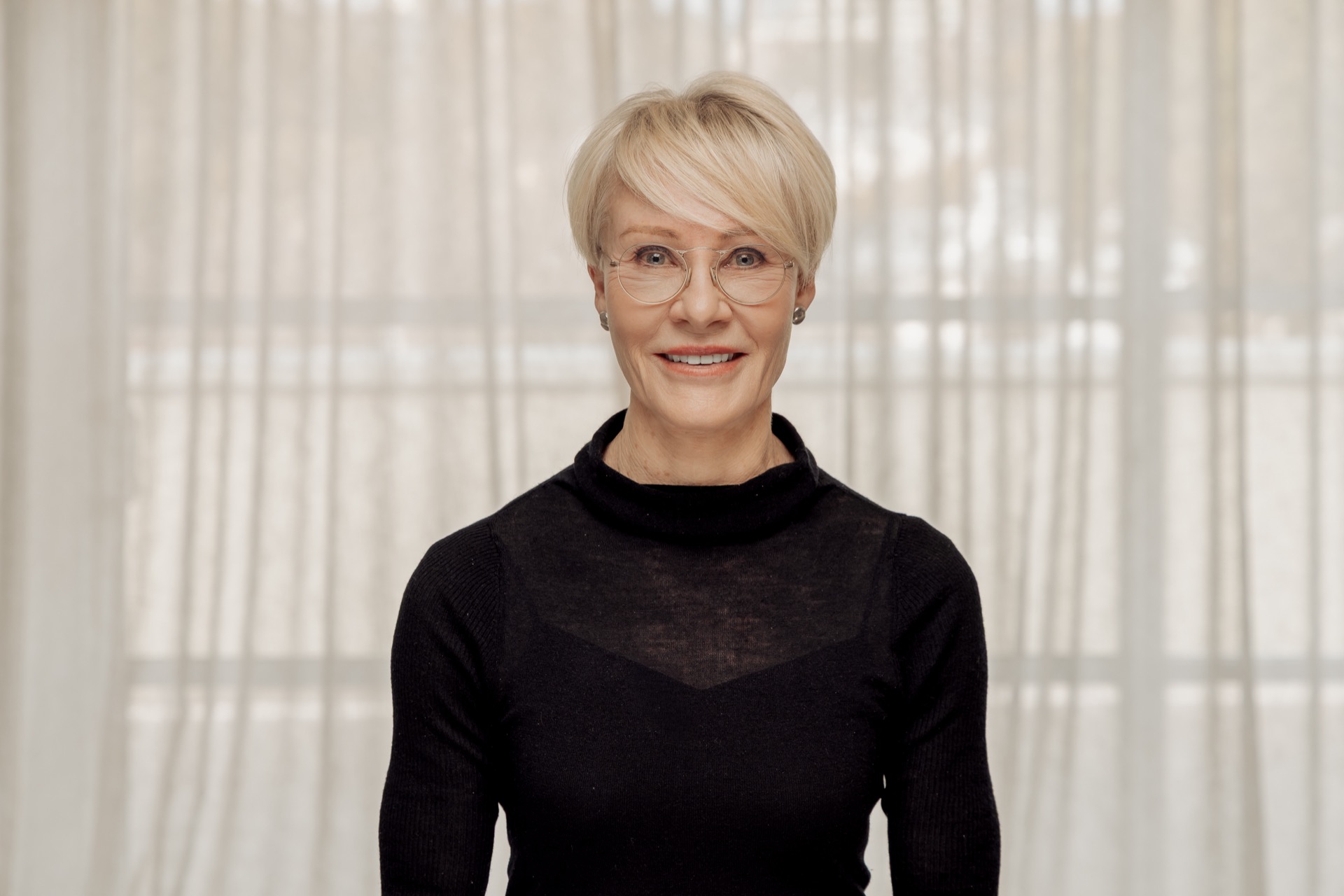
Bernice has a legion of loyal clients and is well regarded as one of Australia’s leading injectable nurse and laser specialists.
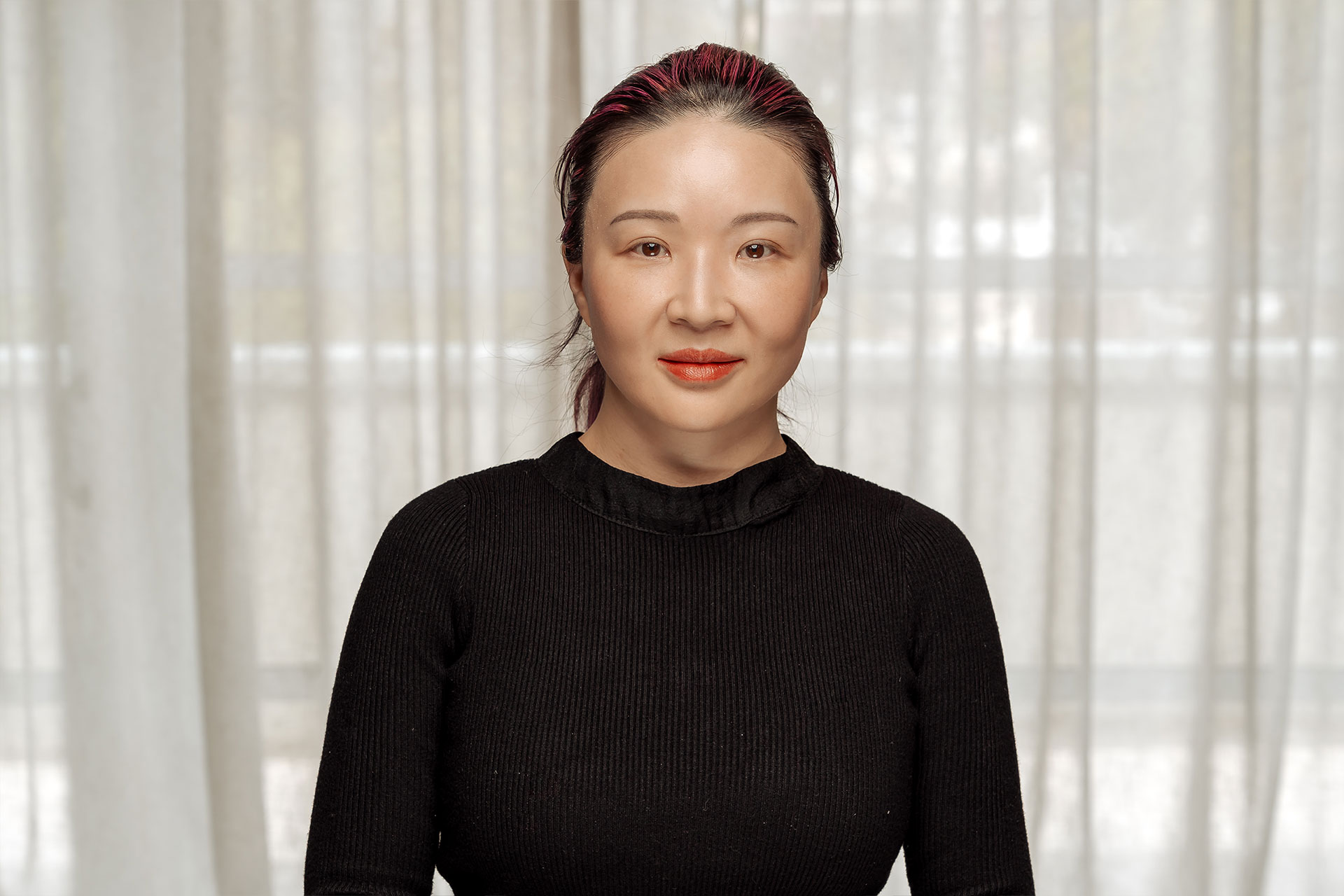
Dr Danae Lim is a cosmetic physician with 16 years’ medical experience.
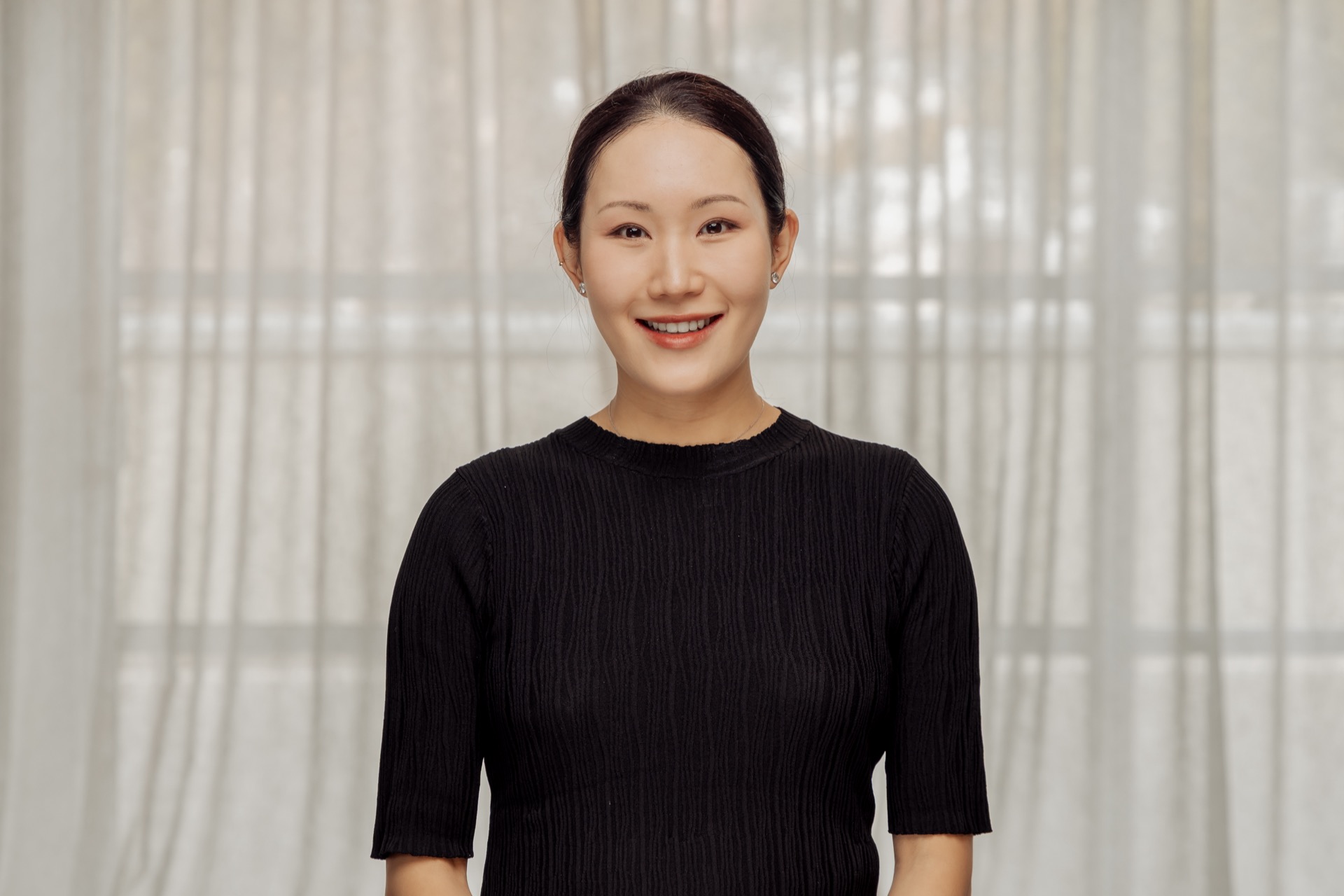
Dr Emma Kim’s expertise includes lasers, injectables, energy based devices and skin rejuvenation.

Naome has a calm and compassionate approach to patient care. She has a strong passion for skin health and helping others feel confident in their own skin.
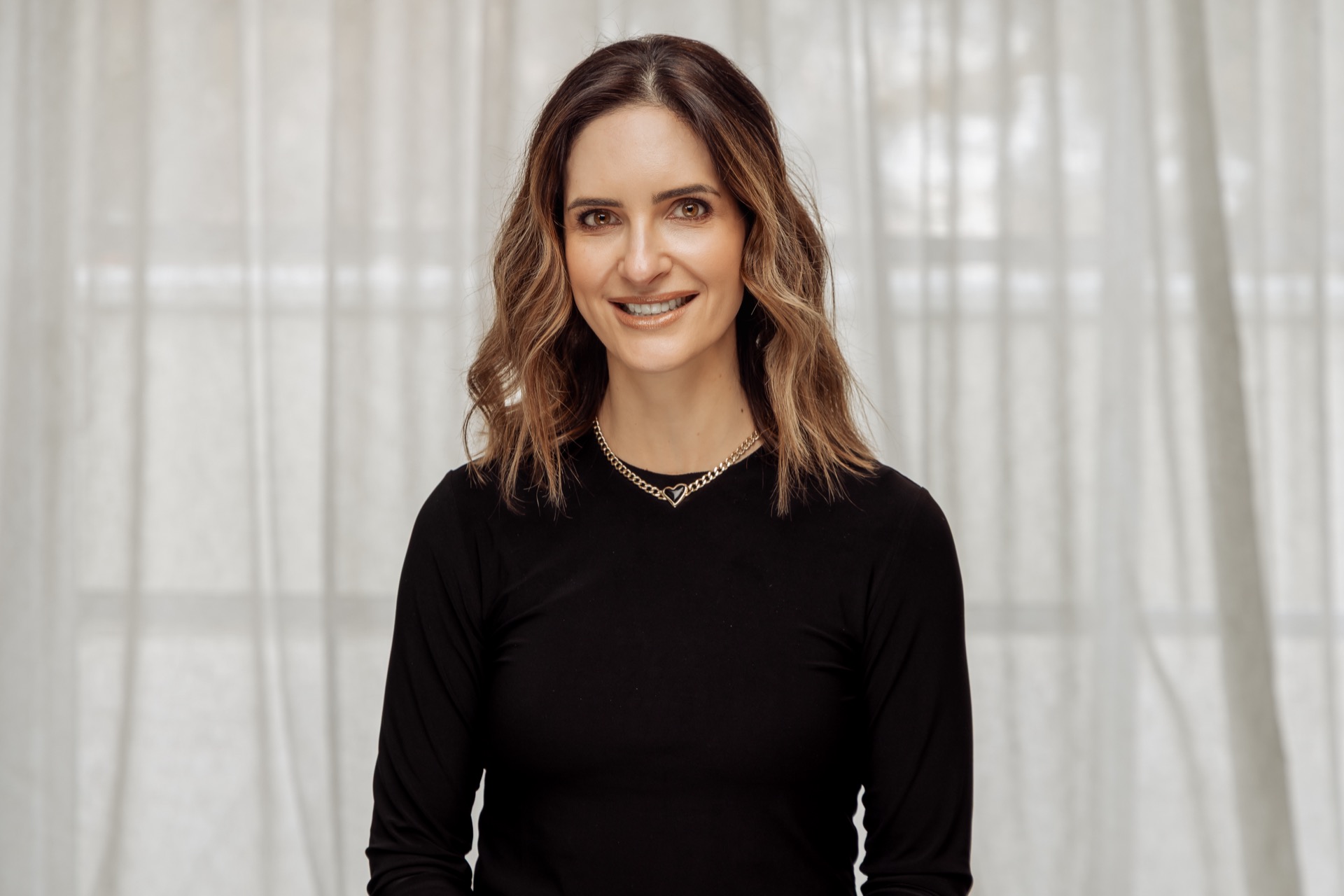
With 20+ years of experience as a skin therapist, Nicky is passionate about matching the right product to the appropriate indication.
A polynucleotide derived from salmon DNA with the aim of improving the appearance of the skin and reducing inflammation.
A polynucleotide derived from salmon DNA with the aim of improving the appearance of the skin and reducing inflammation.
A polynucleotide derived from salmon DNA with the aim of improving the appearance of the skin and reducing inflammation.
Combining synchronised radiofrequency (RF) with high-intensity facial electromagnetic stimulation (HIFES™). EMFACE is designed to target both the skins surface and underlying facial muscles.
Combining synchronised radiofrequency (RF) with high-intensity facial electromagnetic stimulation (HIFES™). EMFACE is designed to target both the skins surface and underlying facial muscles.
Combining synchronised radiofrequency (RF) with high-intensity facial electromagnetic stimulation (HIFES™). EMFACE is designed to target both the skins surface and underlying facial muscles.
These treatments may help improve the appearance of certain skin or facial features.
Customised skin treatments that support hydration and may improve the appearance of uneven tone, texture and dullness.
Risks & Recovery







From 1 July 2023, Australian Government regulations require confirmation that visitors accessing content related to medical aesthetic procedures are over 18 years of age.
This website contains information about elective cosmetic and plastic surgery procedures, which are not medically necessary. All information provided is for general educational purposes only and is not a substitute for professional medical advice.
Some procedures may involve the use of prescription-only medicines (Schedule 4 substances), which cannot be advertised to the public. Individual suitability, potential risks and outcomes can only be discussed during a private consultation with a qualified health practitioner.
By selecting enter, you confirm that you are 18 years or older and understand that the content on this site relates to non elective cosmetic procedures.