Medical Aesthetics
Consultation for Volume Loss
A polynucleotide derived from salmon DNA with the aim of improving the appearance of the skin and reducing inflammation.

At Shape Clinic in Sydney, vascular laser treatment is a cosmetic procedure that uses targeted light energy to address the appearance of visible vessels on the skin’s surface. This may include small capillaries or other vascular irregularities that contribute to uneven skin tone. Experiences vary, and not all concerns are suitable for this treatment.
Vascular laser procedures may help improve the visible appearance of:
*Suitability depends on individual assessment. Conditions such as rosacea or acne are medical in nature and should be discussed with a medical professional.

Disclaimer
At Shape Clinic in Sydney, vascular laser procedures are tailored to the individual. Some people may require more than one session, with treatments often spaced several weeks apart. The exact number of sessions depends on your skin type, the area being treated, and your practitioner’s recommendations.
After treatment, temporary redness is common. Gentle mineral makeup can usually be applied after 24 hours if needed.
Disclaimer
To support safe treatment and reduce the likelihood of side effects, please follow these guidelines before your appointment (unless advised otherwise by your practitioner):
Immediately after treatment, your practitioner may apply a soothing cream to the area. Temporary redness, swelling, or mild bruising are common and usually resolve within several days, although recovery times differ between individuals.
General aftercare advice may include:
Disclaimer
Vascular laser treatment uses targeted light energy to address visible blood vessels in the skin. The laser energy is absorbed by haemoglobin within the vessel, causing it to heat and gradually collapse, after which the body naturally reabsorbs and clears the affected vessel over time.
Vascular laser is commonly used to treat broken capillaries on the face, helping to reduce their visibility by targeting and collapsing the affected vessels. Results vary depending on the size, depth, and number of vessels being treated. Suitability is determined during an individualised assessment with a qualified health practitioner.
Vascular laser is commonly used to treat broken capillaries on the face, helping to reduce their visibility by targeting and collapsing the affected vessels. Results vary depending on the size, depth, and number of vessels being treated.
Vascular laser is generally considered an effective option for reducing the appearance of broken capillaries, with many patients noticing a visible improvement following treatment. The degree of improvement varies depending on individual factors such as vessel size, skin type, and the underlying cause of the capillaries.
The number of vascular laser sessions needed varies depending on the extent and severity of the concern being treated, but a course of 1 to 3 sessions, spaced several weeks apart, is commonly recommended to achieve optimal results.
Discomfort levels vary between individuals but vascular laser treatment is generally well tolerated, with most patients describing the sensation as a mild snapping, stinging, or warm sensation. A cooling device or topical numbing cream may be used to improve comfort during the procedure.
Following vascular laser treatment, it is generally recommended to avoid sun exposure, apply sun protection, and avoid hot showers, saunas, and strenuous exercise for a short period. Some redness, bruising, or temporary darkening of treated vessels may occur and usually resolves within a few days to a couple of weeks. Your practitioner will provide specific aftercare instructions tailored to your treatment.
Disclaimer
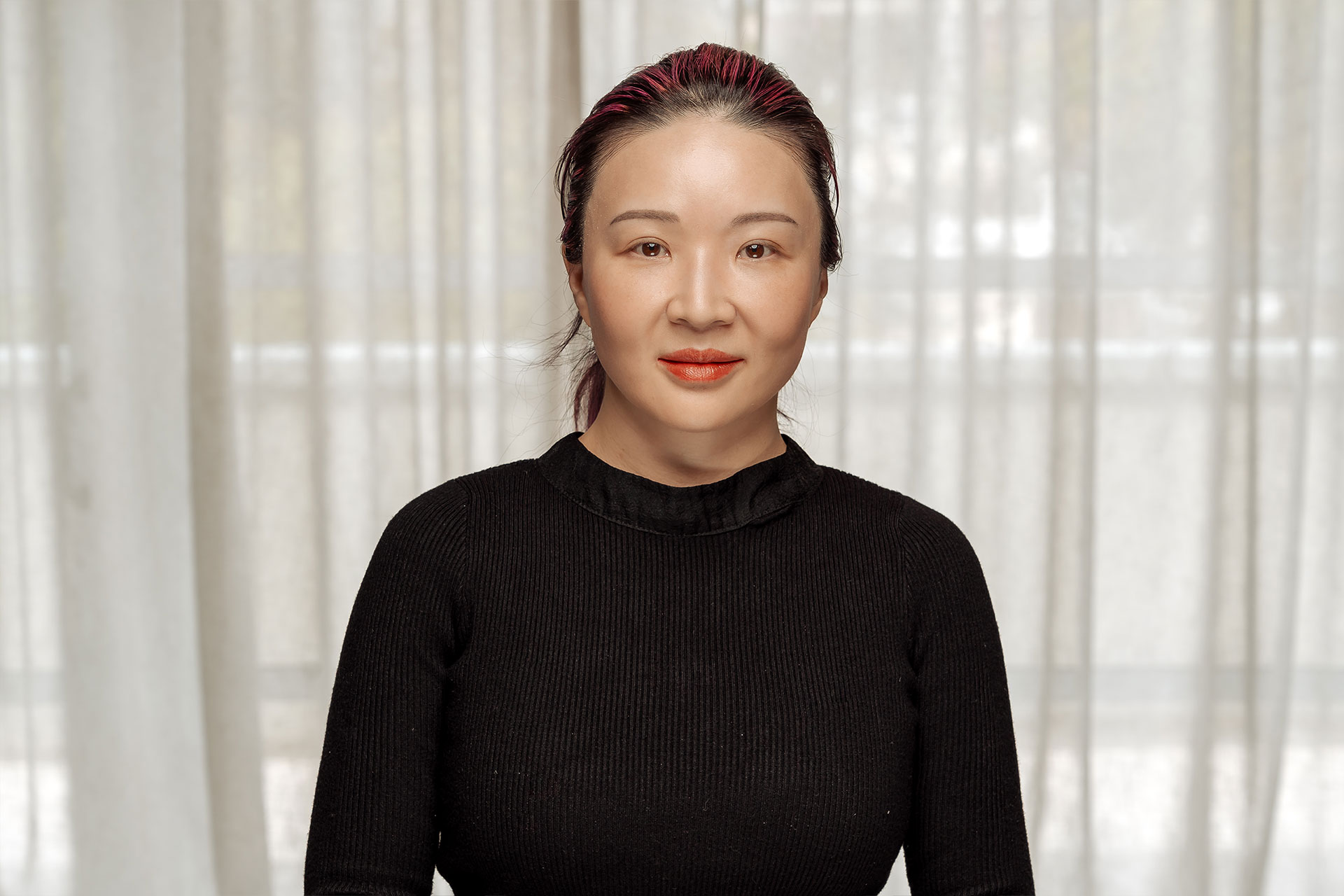
Dr Danae Lim is a cosmetic physician with 16 years’ medical experience.
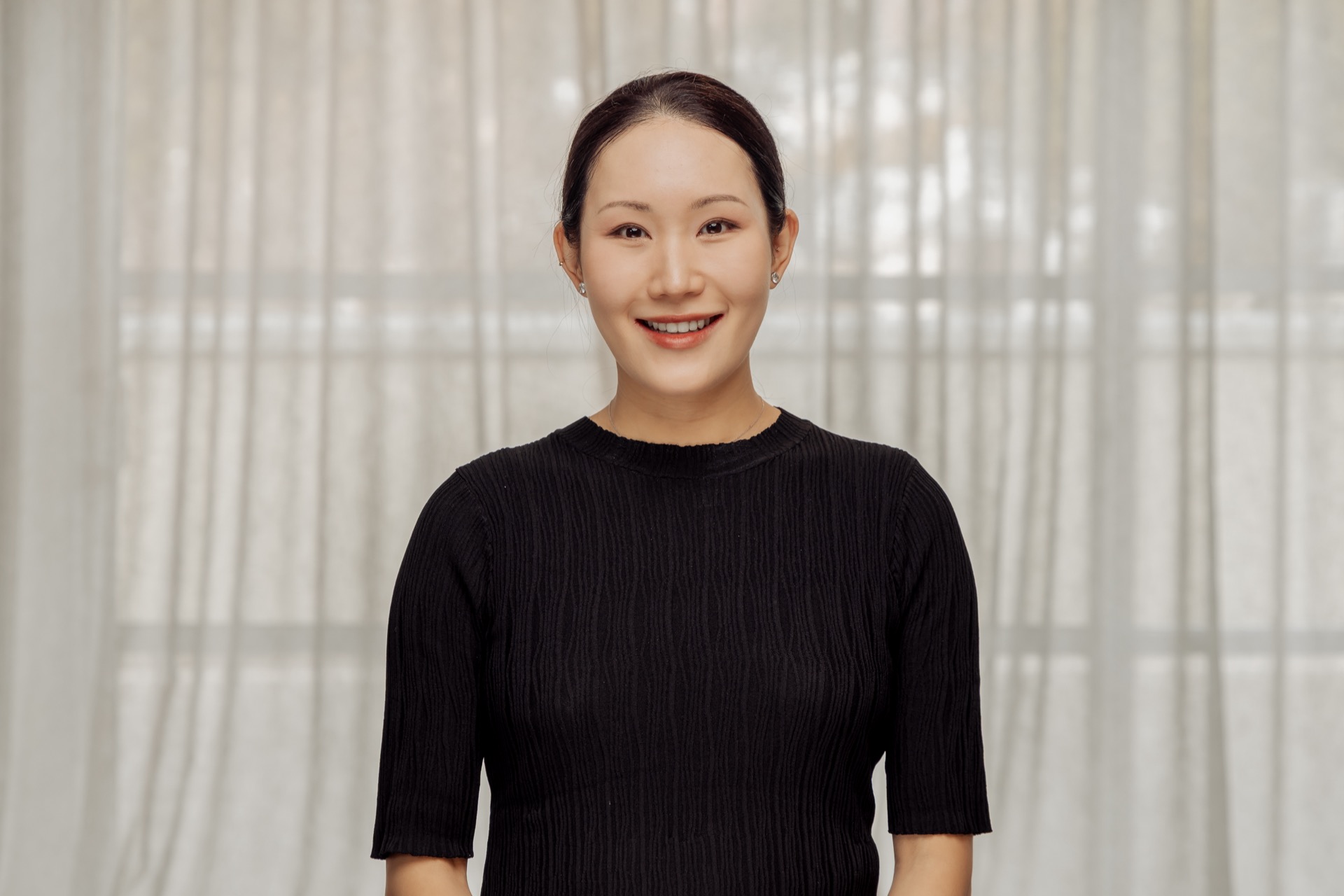
Dr Emma Kim’s expertise includes lasers, injectables, energy based devices and skin rejuvenation.
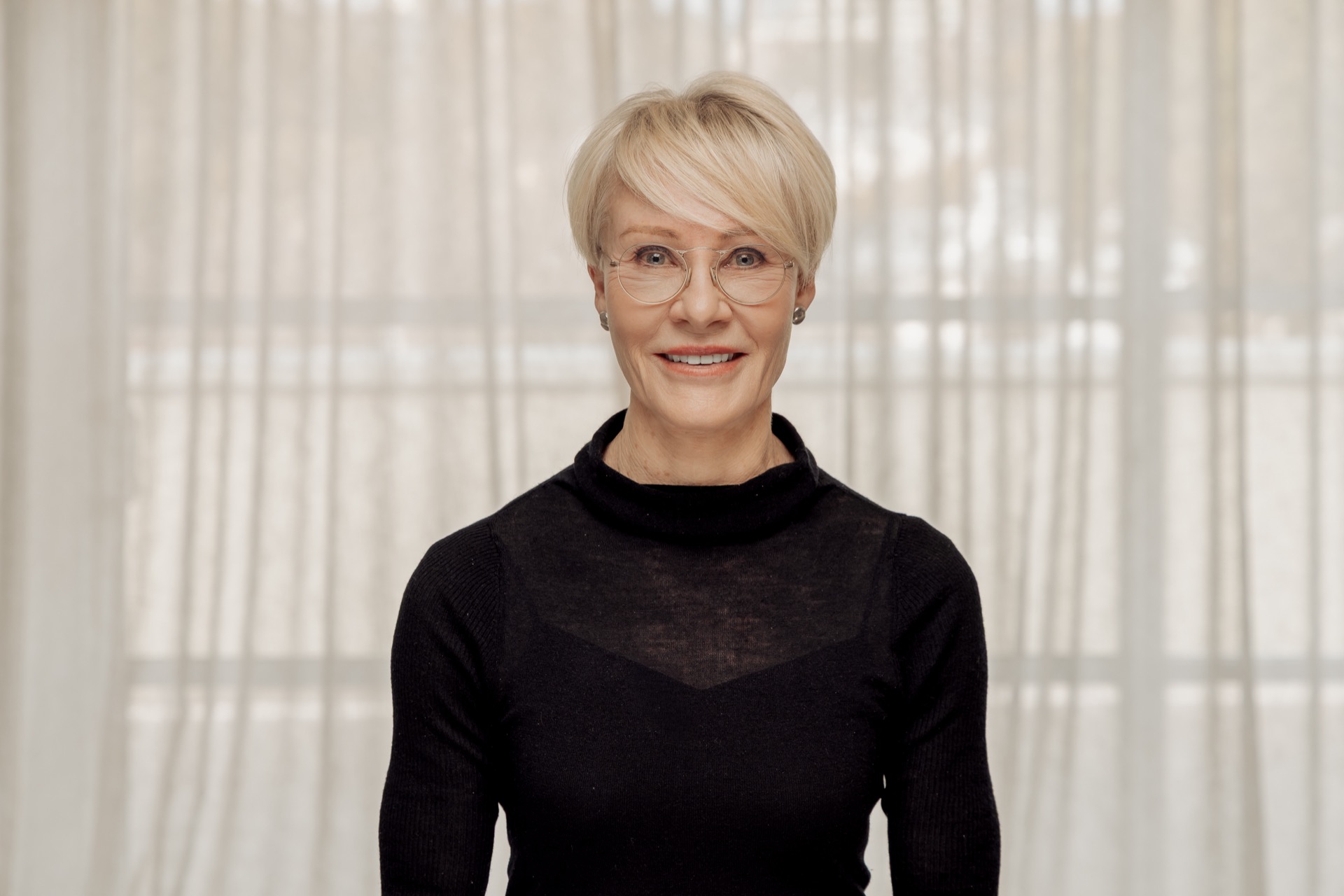
Bernice has a legion of loyal clients and is well regarded as one of Australia’s leading injectable nurse and laser specialists.
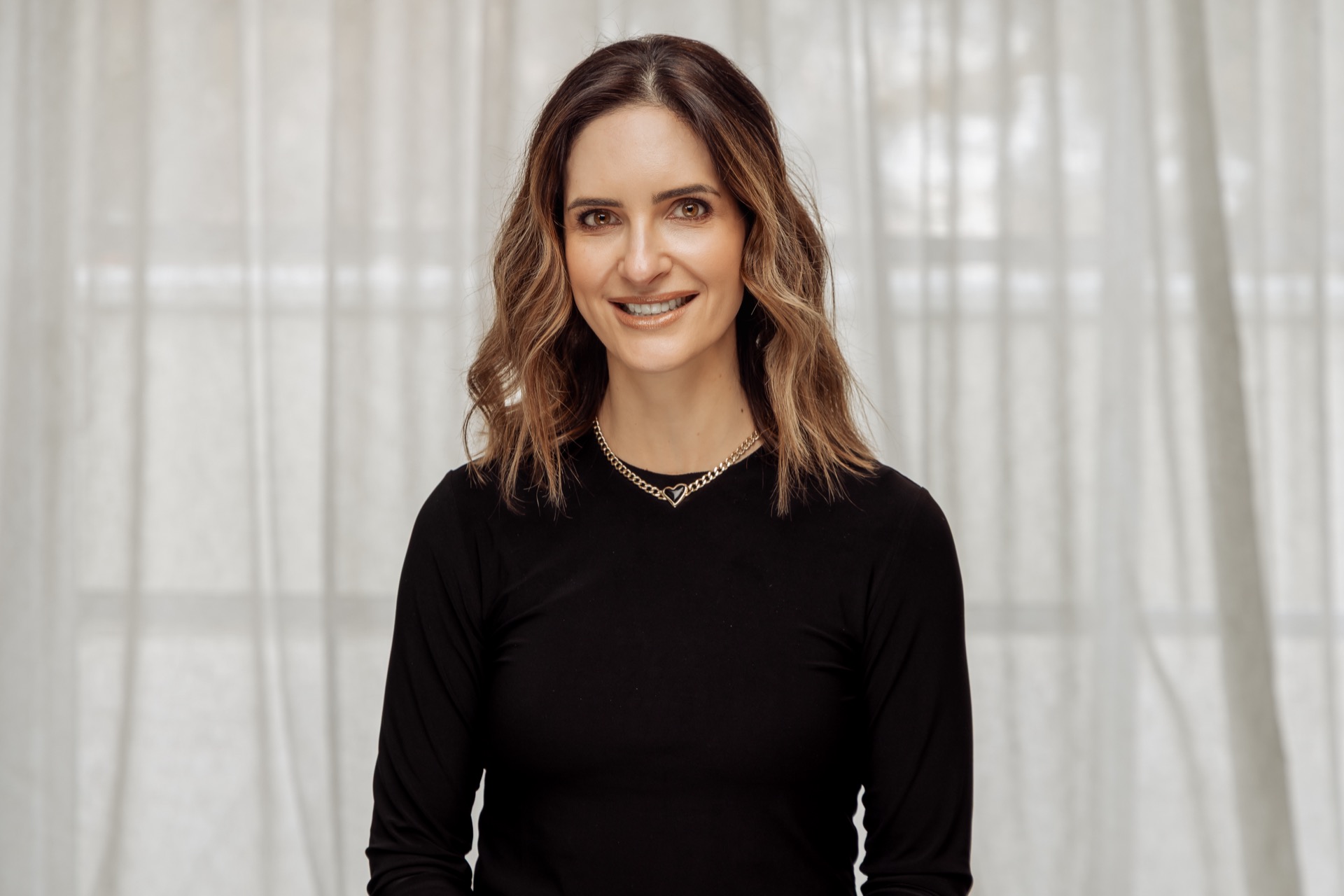
With 20+ years of experience as a skin therapist, Nicky is passionate about matching the right product to the appropriate indication.
A polynucleotide derived from salmon DNA with the aim of improving the appearance of the skin and reducing inflammation.
A polynucleotide derived from salmon DNA with the aim of improving the appearance of the skin and reducing inflammation.
A polynucleotide derived from salmon DNA with the aim of improving the appearance of the skin and reducing inflammation.
Combining synchronised radiofrequency (RF) with high-intensity facial electromagnetic stimulation (HIFES™). EMFACE is designed to target both the skins surface and underlying facial muscles.
Combining synchronised radiofrequency (RF) with high-intensity facial electromagnetic stimulation (HIFES™). EMFACE is designed to target both the skins surface and underlying facial muscles.
Combining synchronised radiofrequency (RF) with high-intensity facial electromagnetic stimulation (HIFES™). EMFACE is designed to target both the skins surface and underlying facial muscles.
These treatments may help improve the appearance of certain skin or facial features.
Customised skin treatments that support hydration and may improve the appearance of uneven tone, texture and dullness.
Risks & Recovery





From 1 July 2023, Australian Government regulations require confirmation that visitors accessing content related to medical aesthetic procedures are over 18 years of age.
This website contains information about elective cosmetic and plastic surgery procedures, which are not medically necessary. All information provided is for general educational purposes only and is not a substitute for professional medical advice.
Some procedures may involve the use of prescription-only medicines (Schedule 4 substances), which cannot be advertised to the public. Individual suitability, potential risks and outcomes can only be discussed during a private consultation with a qualified health practitioner.
By selecting enter, you confirm that you are 18 years or older and understand that the content on this site relates to non elective cosmetic procedures.