Surgical
HIFU Treatment Sydney
Also known as facelift surgery, Rhytidectomy is a surgical procedure that repositions the soft tissues of the midface and lower face and removes areas of excess skin.

A skin laxity treatment consultation at Shape Clinic in Sydney is an opportunity to assess changes in your skin's firmness and discuss the options that may be appropriate for you. Skin may gradually lose firmness and elasticity over time due to changes in hydration levels and the natural decline of structural proteins within the skin.
A consultation allows us to assess your skin quality in detail and explore concerns such as texture, hydration, and mild laxity. We take a holistic view, considering lifestyle factors, skin health, and your individual goals.
During your appointment, we may discuss options that aim to support skin hydration and overall quality, encourage the skin's natural structural processes, and improve the appearance of firmness over time.
Any discussion is centred around suitability, not obligation. In line with best practice, we ensure:
Our goal is to guide you through your options in a professional and transparent way.

Disclaimer
Skin laxity develops as the skin’s structural proteins — collagen and elastin — naturally decline with age, and as cell turnover and hydration reduce over time. Factors such as sun exposure, significant weight changes, and lifestyle can also contribute to a loss of firmness.
Understanding what is contributing to your concerns helps guide an appropriate, individualised discussion. You can read more in our guides on how to support collagen production in the skin and the non-surgical skin tightening treatments available.
There is no single approach to addressing skin laxity, and the most suitable option depends on your skin, your concerns, and your individual goals.
Broadly, the non-surgical approaches your practitioner may discuss fall into a few categories: minimally invasive options that may support skin firmness over time, energy-based treatments such as microneedling, radiofrequency, and focused-ultrasound technologies that target deeper layers of the skin, and regenerative treatments designed to support overall skin quality and elasticity.
Suitability is assessed on an individual basis, outcomes vary, and no result can be guaranteed. Your practitioner will explain the potential benefits, risks, and alternatives for any option discussed.
Skin laxity refers to the loss of skin firmness and elasticity, resulting in skin that appears loose, sagging, or less taut, commonly caused by the natural ageing process, sun exposure, genetics, and reduced collagen and elastin production over time.
Skin laxity is caused by a combination of factors, including the natural ageing process and decline in collagen and elastin production, sun exposure, genetics, significant weight fluctuations, pregnancy, and lifestyle factors.
During a skin laxity consultation, your practitioner will undertake a thorough assessment of your skin quality, areas of laxity, and overall facial or bodily structure, along with your medical history and concerns. This includes discussing your goals and expectations, explaining the range of treatment options available, and outlining the associated risks, benefits, and any alternatives, so you can make an informed decision about how to proceed.
There are a range of non-surgical options that may help address skin laxity, with suitability depending on individual skin concerns and goals. A consultation with an appropriately qualified health practitioner is the best way to discuss the options available to you and determine an appropriate treatment approach.
Both HIFU (high-intensity focused ultrasound) and radiofrequency are non-surgical, energy-based devices used to address skin laxity, but they work differently. HIFU uses focused ultrasound energy to target deeper structural layers of the skin and underlying tissue, stimulating collagen production at a more precise depth. Radiofrequency uses heat energy to target the deeper dermal layer, stimulating collagen and elastin production more broadly across the treated area. The most suitable option depends on individual skin concerns and goals, which can be discussed during a consultation with an appropriately qualified health practitioner.
Collagen production in the skin can be stimulated through a range of approaches, including certain skincare ingredients, sun protection, a healthy lifestyle, and in-clinic treatments. The most suitable approach depends on individual skin concerns and goals, which can be discussed during a consultation with an appropriately qualified health practitioner.
Skin laxity can be improved through a range of approaches, both non-surgical and surgical, with suitability depending on the degree of laxity, the area affected, and individual goals. A consultation with an appropriately qualified health practitioner is the best way to assess your concerns and discuss the treatment options available to you.

Dr Danae Lim is a cosmetic physician with 16 years’ medical experience.
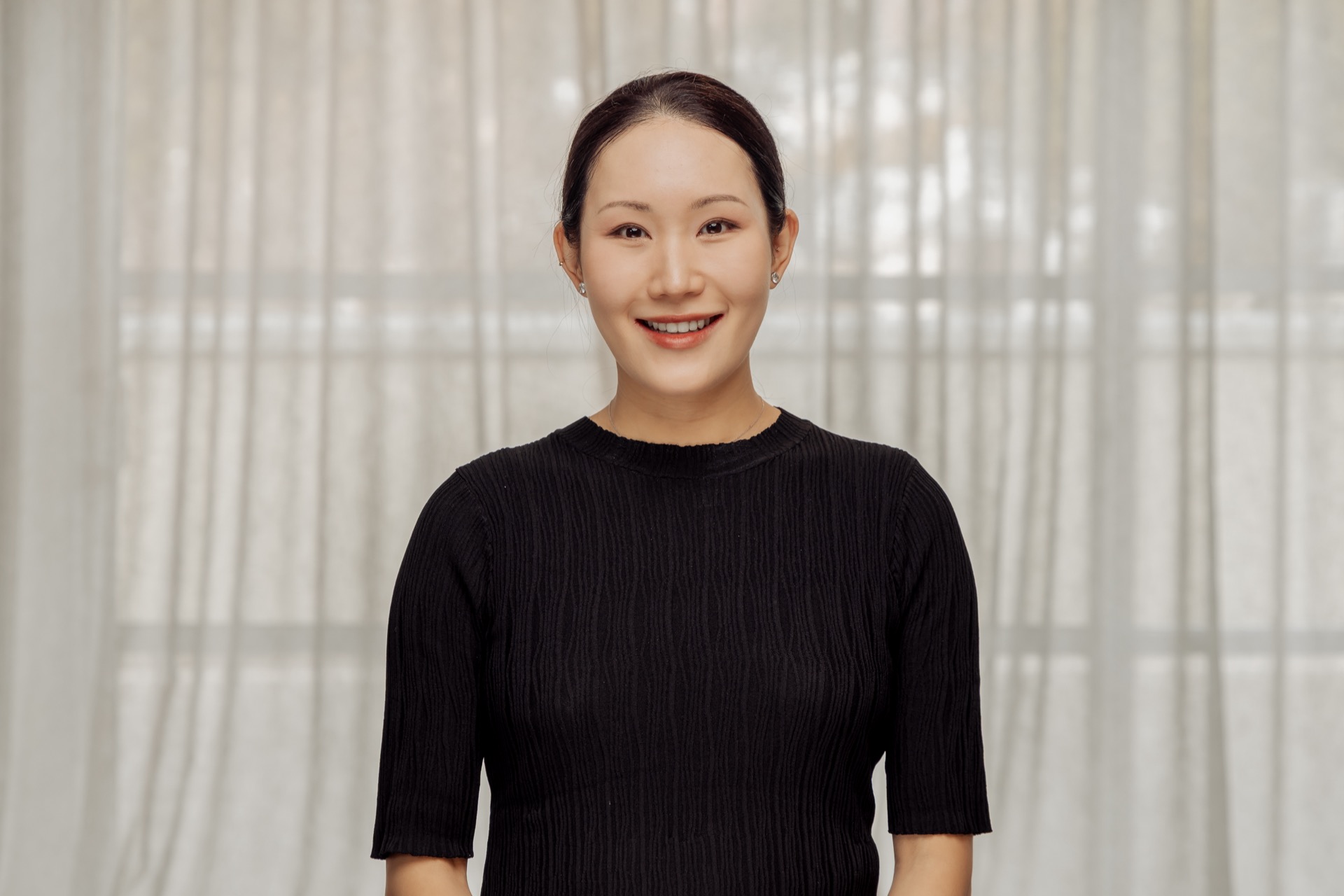
Dr Emma Kim’s expertise includes lasers, injectables, energy based devices and skin rejuvenation.

Bernice has a legion of loyal clients and is well regarded as one of Australia’s leading injectable nurse and laser specialists.
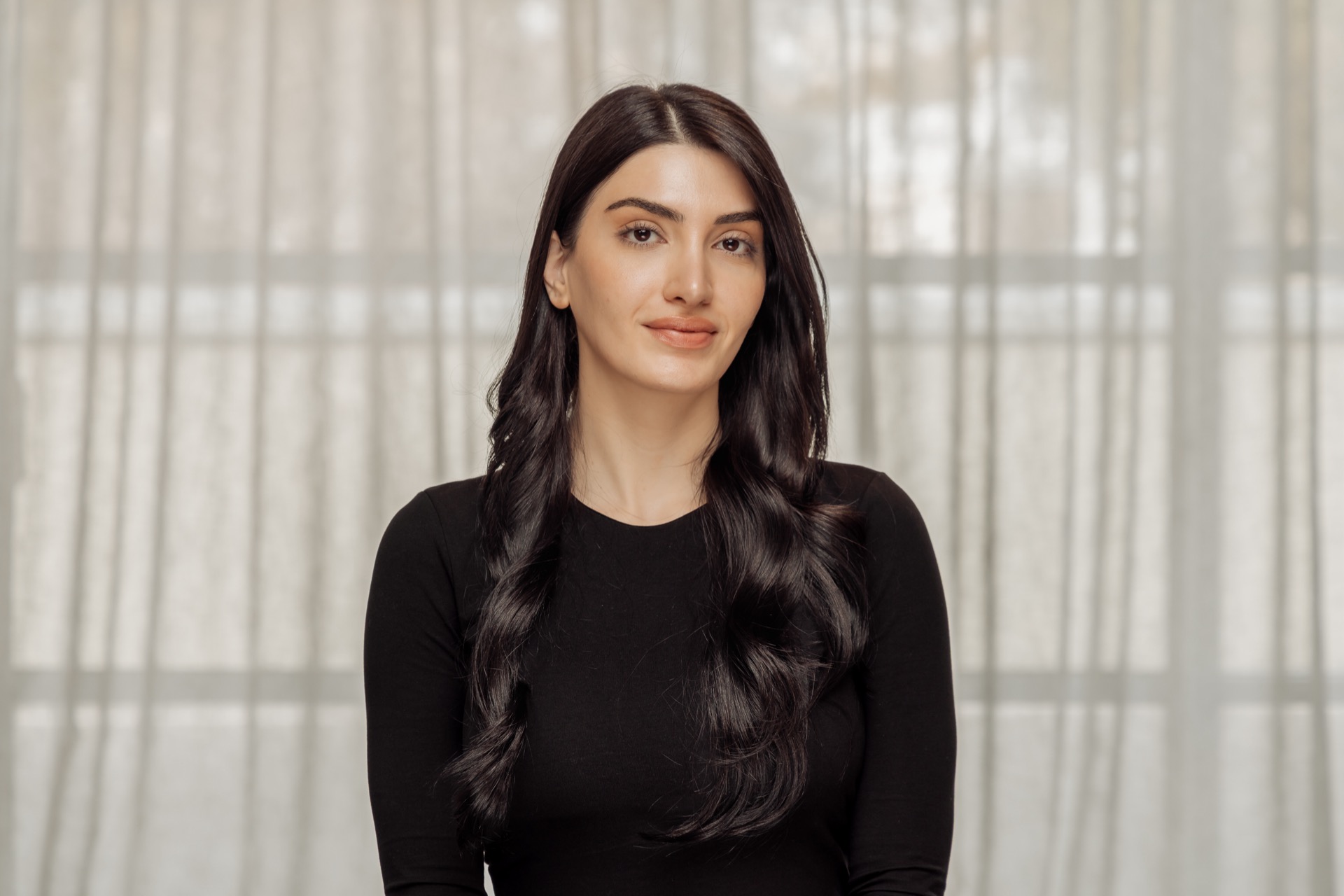
Naome has a calm and compassionate approach to patient care. She has a strong passion for skin health and helping others feel confident in their own skin.

With 20+ years of experience as a skin therapist, Nicky is passionate about matching the right product to the appropriate indication.
Also known as facelift surgery, Rhytidectomy is a surgical procedure that repositions the soft tissues of the midface and lower face and removes areas of excess skin.
A surgical procedure that may involve the removal or repositioning of skin and orbital fat to modify the structure and appearance of the upper eyelid.
A polynucleotide derived from salmon DNA with the aim of improving the appearance of the skin and reducing inflammation.
A polynucleotide derived from salmon DNA with the aim of improving the appearance of the skin and reducing inflammation.
Combining synchronised radiofrequency (RF) with high-intensity facial electromagnetic stimulation (HIFES™). EMFACE is designed to target both the skins surface and underlying facial muscles.
Combining synchronised radiofrequency (RF) with high-intensity facial electromagnetic stimulation (HIFES™). EMFACE is designed to target both the skins surface and underlying facial muscles.
Combining synchronised radiofrequency (RF) with high-intensity facial electromagnetic stimulation (HIFES™). EMFACE is designed to target both the skins surface and underlying facial muscles.
These treatments may help improve the appearance of certain skin or facial features.
Risks & Recovery







From 1 July 2023, Australian Government regulations require confirmation that visitors accessing content related to medical aesthetic procedures are over 18 years of age.
This website contains information about elective cosmetic and plastic surgery procedures, which are not medically necessary. All information provided is for general educational purposes only and is not a substitute for professional medical advice.
Some procedures may involve the use of prescription-only medicines (Schedule 4 substances), which cannot be advertised to the public. Individual suitability, potential risks and outcomes can only be discussed during a private consultation with a qualified health practitioner.
By selecting enter, you confirm that you are 18 years or older and understand that the content on this site relates to non elective cosmetic procedures.