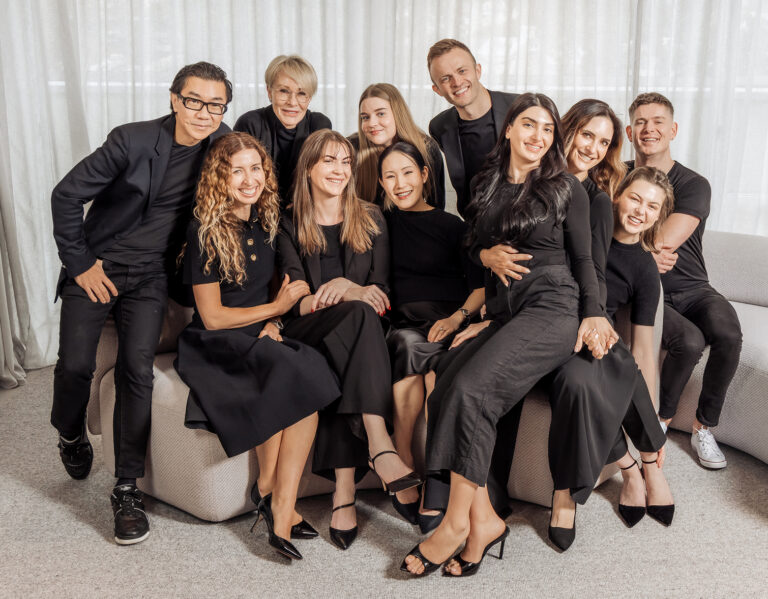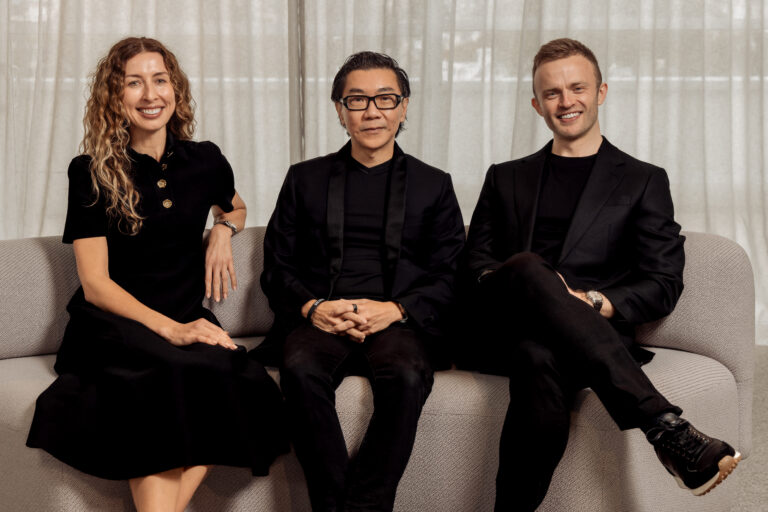


From the 23rd to 27th July 2026, our team attended Aesthetics 2026, one of Australia’s leading educational conferences in Aesthetic Medicine, convened by Dr Steven Liew. Bringing together national and international experts, the conference explored the latest evidence, research and innovations shaping modern aesthetic practice.
Among the many outstanding presentations, it was the opening keynote by Dr Liew that left the greatest impression on us. Rather than beginning with treatments, products or procedures, he began with a simple but powerful concept.
As experts from different specialties took to the stage, each represented one layer of the face:
- I am the EPIDERMIS.
- I am the DERMIS.
- I am the FAT.
- I am the MUSCLE.
- I am the BONE.
Dr Liew then brought the message together with one final statement:
‘I am the FACE. See me as a whole.’
Throughout the presentation, each specialist explained the anatomy, function and natural ageing process of their respective layer. Together, they illustrated a concept that the face should never be thought of as a collection of separate parts. It should always be understood as a whole.
That message inspired this blog.
When most of us look in the mirror, we notice what’s happening on the surface. Perhaps it’s a fine line that wasn’t there before, a bit of pigmentation, a little less definition around the jawline, or skin that doesn’t feel as firm as it once did. It’s natural to think these changes are simply ‘skin deep’.
In reality, our face is a remarkable living structure made up of five interconnected layers. Each has its own purpose, and each changes naturally throughout life.
Understanding these layers is one of the most important steps in understanding why our appearance changes over time, and why there is rarely one simple explanation or one simple solution.
The Face Is More Than Skin
Although we often think of ageing as wrinkles or loose skin, these are simply the visible result of changes occurring beneath the surface. Each layer contributes to the way we look, move and express emotion. As we age, every one of these layers changes, and each influences the others.
Layer One: The Epidermis
The epidermis is the outermost layer of your skin and the part you see in the mirror. It acts as your body’s protective barrier, helping to retain moisture while protecting against ultraviolet (UV) radiation, pollution and everyday environmental stressors.
A healthy epidermis contributes to:
- Smooth skin texture
- Even skin tone
- Hydration
- A healthy skin barrier
As we age, the epidermis gradually becomes thinner and skin cell turnover slows. The skin barrier may become less efficient, contributing to dryness and increased sensitivity. Although wrinkles often receive the most attention, maintaining a healthy skin barrier remains one of the foundations of healthy skin throughout life.
Layer Two: The Dermis
Beneath the epidermis lies the dermis. If the epidermis is the protective shield, the dermis is the supportive framework. It contains:
- Collagen
- Elastin
- Fibroblasts (the cells responsible for producing collagen)
- Blood vessels
- Nerves
- Connective tissues
Many of the characteristics we associate with healthy, youthful skin, like firmness, elasticity and resilience depend on a healthy dermis. Over time, collagen production gradually declines, elastin fibres become less organised and the dermis slowly becomes thinner. These natural changes contribute to reduced firmness, fine lines and changes in overall skin quality.
Layer Three: The Fat
Facial fat is often misunderstood. The face contains multiple fat compartments, each serving a different purpose. Some provide contour and support, while others help create smooth movement between the skin and the muscles beneath.
Over time, these compartments naturally change. These changes may contribute to hollows, shadows and alterations in facial contours. Ageing is therefore not simply about the skin, it also involves the structures beneath it.
Layer Four: The Muscle
The muscles of facial expression are unlike muscles elsewhere in the body. Many attach directly into the skin rather than attaching only to bone. Every smile. Every laugh. Every raised eyebrow. Every expression. These muscles work continuously throughout our lives, allowing us to communicate emotion without saying a word.
As the surrounding tissues change over time, the interaction between muscles and the overlying skin also changes. This contributes to both the lines we see during movement and those that remain visible at rest. Our expressions are part of what makes each face unique.
Layer Five: The Bone
At the deepest level lies bone.
Bone forms the framework upon which every other layer depends. Like the rest of our skeleton, facial bone gradually remodels throughout life. These natural changes occur slowly over many years and contribute to alterations in facial support and proportions. Understanding this reminds us that facial ageing is a structural process involving multiple tissues not simply a change in the skin.
Ageing Happens Layer by Layer.
One of the most important lessons from modern facial anatomy is that ageing does not happen in one place.Each layer changes in its own way and influences the others.
Why This Matters
One of the most common questions we hear in clinic is: what’s the best treatment? The honest answer is that there isn’t one. That’s because there isn’t one single cause of facial ageing.
Different concerns arise from different layers, and different treatment approaches, where appropriate, are designed to target different concerns. Determining which treatment is suitable should always follow an individual assessment of the whole face, discussion of realistic expectations and consideration of available options.
Understanding how the face changes helps explain why personalised assessment is so important.
Final Thoughts
The greatest lesson from Dr Steven Liew’s presentation wasn’t about a treatment. It wasn’t about a procedure. It wasn’t about a product.
It was about reminding us that the face should always be understood and treated as a whole. Rather than seeing wrinkles, folds or individual features, we should first understand the remarkable structure that makes up the human face.
At Shape Clinic, we believe that understanding the face as a whole is the foundation of informed decision-making. Before discussing any treatment options, we believe it is important to understand how the face naturally changes over time, because knowledge is the first step towards making decisions that are right for you.
Author’s note: This article was inspired by the opening keynote presentation by Dr Steven Liew at the Aesthetics Conference, 2026 – The concept of viewing the face as an integrated, living structure rather than a collection of isolated concerns.