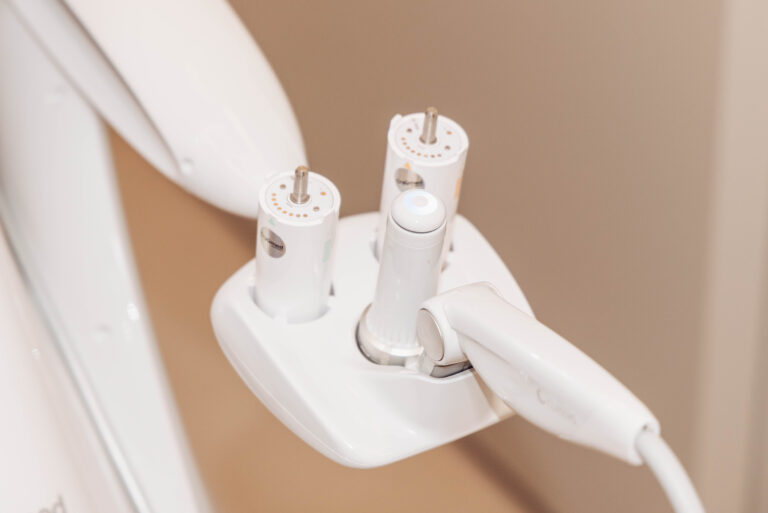


CO2 laser resurfacing is one of the most well-established technologies in skin rejuvenation. If you’ve been researching your options, you’ve probably come across the term, but what does it actually do, and is it the right choice for you?
This blog is intended to give you honest, balanced information so you can have an informed conversation with a qualified health practitioner.
Key Takeaways
- CO2 laser resurfacing uses controlled heat energy to trigger collagen production and support the skin’s natural healing process. It is a fractional treatment, meaning only part of the skin is treated at a time.
- Treatment depth can be tailored to your needs, ranging from fully ablative for significant skin concerns to CoolPeel for a lighter refresh with minimal downtime. The right depth depends on your skin type, concerns, and lifestyle.
- A thorough consultation is essential before treatment, particularly for those with darker skin tones or a history of pigmentation issues. This assessment helps determine whether CO2 laser is suitable and what approach is safest for you.
How CO2 Laser Works
CO2 laser delivers microscopic columns of controlled thermal (heat) energy into the skin. These precise columns create a targeted injury response in the deeper layers of the skin, while leaving the surrounding tissue intact. This is what makes it a “fractional” treatment, only a fraction of the skin is treated at each session, which supports the skin’s natural healing process.
This healing response stimulates collagen production, which over time can improve the texture, tone, and firmness of the skin.
Ablative vs Non-Ablative: What’s the Difference?
A term you’ll often hear alongside CO2 laser is ablative. Here’s what it means in plain terms:
- Ablative treatments remove the outermost layers of skin. Think of it like a controlled graze. The skin is intentionally broken down, which triggers a deeper healing and remodelling process. This typically produces more significant results but comes with more downtime.
- Non-ablative treatments work beneath the skin’s surface without removing the outer layers. There’s less disruption, less downtime, but generally a more subtle effect.
CO2 Laser Can Be Used at Varying Depths
Fully ablative C02 is at the deepest level, treating the entire surface. Most suited to significant skin laxity or texture concerns, and requires the most recovery time.
Partially ablative/resurfacing is a targeted approach where the practitioner may treat areas like around the mouth and eyes at a deeper level, and the rest of the face at a lighter level.
CoolPeel (light pass) is a more superficial treatment that gently removes the very outer layer of skin, creating a refreshed, glowing appearance with minimal downtime.
The right approach for you depends on your skin concerns, skin type, and lifestyle. This is something to discuss in detail with your treating practitioner before making any decisions.
Who Should Consider It Carefully?
CO2 laser can be suitable for a wide range of people, but those with darker skin tones or a history of pigmentation issues (such as melasma) need to approach it with extra care. The heat energy involved can trigger post-inflammatory hyperpigmentation in susceptible individuals.
This risk can be managed through appropriate pre- and post-treatment skin preparation, which your practitioner will discuss with you.
A thorough assessment of your skin type, history, and any relevant health considerations is an essential first step before any CO2 laser treatment.
Is CO2 Laser Right for You? What to Ask at Your Consultation
If you are considering CO2 laser, the most important first step is not booking the treatment, it is having a thorough consultation with a qualified health practitioner.
CO2 laser is a medical-grade aesthetic procedure with real recovery requirements and potential risks. A consultation helps determine whether it is suitable for your skin, your concerns, and your lifestyle.
Your Skin History Matters
Before CO2 laser treatment, your practitioner needs to understand your skin history and general health. This may include whether you are prone to pigmentation changes, melasma, or post-inflammatory hyperpigmentation.
They should also ask about your skin tone and type, any history of cold sores, keloid scarring, current skincare products, active skin conditions, medications, previous cosmetic procedures, and relevant medical history.
This assessment is not just a formality. It helps your practitioner decide whether treatment is appropriate and, if so, what depth and approach may be safest for you.
Making An Informed Decision
CO2 laser treatment is a medical-grade procedure, and the decision to proceed should never be rushed. Make sure you have a full consultation with a qualified health practitioner who can assess your suitability, explain what the treatment involves for your specific situation, and discuss realistic outcomes alongside the risks.