Surgical
Preservé – Breast Augmentation
A surgical procedure to address uneven breast shape or size to restore symmetry and balance.

Augmentation mammoplasty, commonly known as breast augmentation, is a surgical procedure performed at Shape Clinic in Sydney to increase breast volume and change breast contour. People may consider this procedure for various reasons, such as:
The procedure involves placing breast implants beneath the breast tissue or chest muscle. Implants are available in different sizes, shapes, and materials, and your specialist plastic surgeon will discuss the most suitable options for your individual anatomy and goals. Various incision techniques may be used, and your surgeon will explain the approach that best suits your circumstances.
A consultation with a specialist plastic surgeon is essential to determine suitability for the procedure. During this consultation, factors such as anatomy, implant options, potential risks, and recovery will be reviewed in detail to support informed decision-making.

Disclaimer
Augmentation mammoplasty is an individualised procedure, and outcomes vary from person to person. You may be considered for this surgery if:
Disclaimer
When considering augmentation mammoplasty, individuals may choose from a range of implant options, including saline and silicone. Each type has different characteristics, and the choice will depend on personal preferences, anatomy, and clinical recommendations.
Breast implants are available in various shapes and surface textures:
The placement of implants is determined based on the individual’s anatomy and surgical plan:
Disclaimer
Following pregnancy and breastfeeding, changes to breast volume and skin elasticity are common. These may include a reduction in breast size, changes in firmness, increased skin laxity, or a decrease in volume in the upper portion of the breasts.
It is generally recommended to wait at least six months after completing breastfeeding before considering augmentation mammoplasty. This timeframe allows for:
A consultation with a specialist plastic surgeon is required to assess your individual circumstances and develop a tailored treatment plan. During this consultation, your surgeon will consider factors such as:
Disclaimer
The recovery experience following augmentation mammoplasty varies between individuals. Factors such as implant size, shape, placement (above or below the muscle), and individual anatomy can all influence recovery and outcomes.
Following your surgeon’s post-operative instructions is an important part of recovery. These may include:
Recovery timelines and experiences vary, and your specialist plastic surgeon will provide individualised guidance to support your healing process.
Disclaimer
As with all surgical procedures, augmentation mammoplasty carries inherent risks. While generally considered safe when performed by a qualified Specialist Plastic Surgeon, potential complications may include:
These risks, along with your individual medical history, goals, and concerns, will be discussed in detail during your consultation to support informed decision-making.
Recovery after augmentation mammoplasty varies depending on the surgical approach, implant type and placement, and your individual healing response. Generally:
A personalised recovery plan will be discussed with you, including post-operative care instructions, follow-up appointments, and activity restrictions.
Please speak to your treating Specialist Plastic Surgeon if you have questions or concerns during your recovery.
Disclaimer
Augmentation Mammoplasty, commonly known as Breast aAugmentation, is a surgical procedure that may be performed to increase breast volume and change breast contour.Further reading: What is Breast Augmentation? Procedure & Options.
Breast augmentation is a common non-medical term for Augmentation Mammoplasty. Both refer to the same surgical procedure, which uses breast implants to increase breast volume or change the breast contour. A consultation with a specialist plastic surgeon is essential to determine suitability for the procedure.
Your Specialist Plastic Surgeon will monitor the condition of your implants during follow-up appointments and advise if revision surgery becomes necessary.
Many people do go on to breastfeed after augmentation, though this depends on the surgical technique and individual factors. This should be discussed on consultation with your Specialist Plastic Surgeon.
The recovery experience following Augmentation Mammoplasty varies between individuals. Factors such as implant size, shape, placement (above or below the muscle), and individual anatomy can all influence recovery and outcomes. Most patients return to light activity within 3-7 days, however full recovery may take 2-6 weeks. Further reading: Augmentation Mammoplasty: What to Expect Before, During and After Surgery.
As with all surgical procedures, augmentation mammoplasty carries inherent risks. While generally considered safe when performed by a qualified Specialist Plastic Surgeon, potential complications may include: implant rupture or leakage, changes in nipple or breast sensation (which may be temporary or permanent), capsular contracture (tightening of scar tissue around the implant), infection or asymmetry.
Augmentation mammoplasty is an individualised procedure, and outcomes vary from person to person. You may be considered for this surgery if:
Suitability is assessed individually by a specialist plastic surgeon based on your anatomy, health and goals.
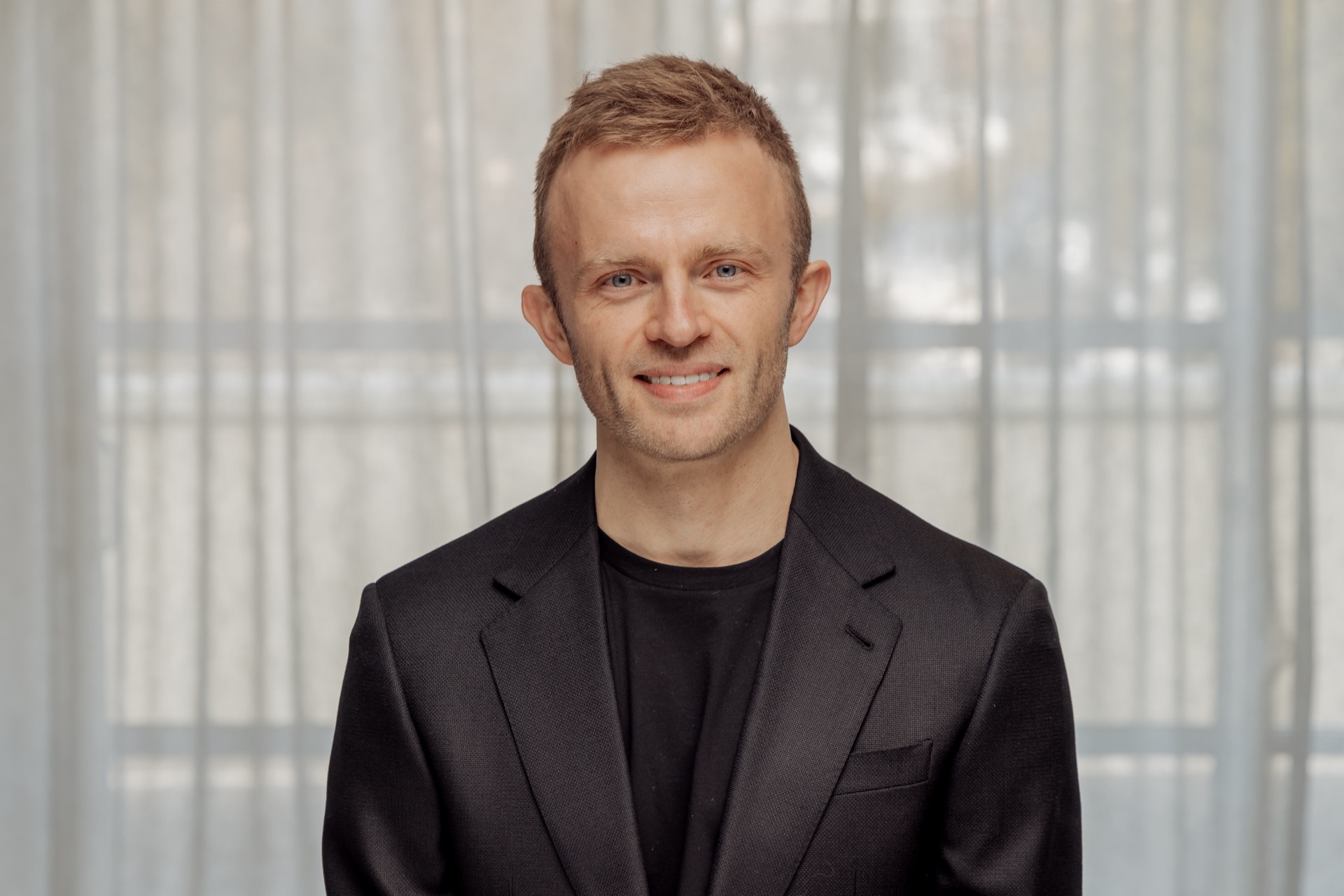
Dr Henry Shepherd is a Specialist Plastic Surgeon (FRACS) who trained with the Royal Australasian College of Surgeons.
A surgical procedure to address uneven breast shape or size to restore symmetry and balance.
A specialised surgical procedure for men to remove excess breast tissue and, in some cases, fatty deposits.
A surgical procedure to address uneven breast shape or size to restore symmetry and balance.
Also known as a breast lift, Mastopexy is a surgical procedure designed to reposition and reshape the breasts by removing excess skin and adjusting the underlying breast tissue.
Also known as a breast reduction, reduction mammoplasty is a surgical procedure to reshape and reduce the size of the breasts by removing excess tissue.
Correct inverted or retracted nipples with a minimally invasive procedure designed to improve appearance and confidence.
Risks & Recovery





From 1 July 2023, Australian Government regulations require confirmation that visitors accessing content related to medical aesthetic procedures are over 18 years of age.
This website contains information about elective cosmetic and plastic surgery procedures, which are not medically necessary. All information provided is for general educational purposes only and is not a substitute for professional medical advice.
Some procedures may involve the use of prescription-only medicines (Schedule 4 substances), which cannot be advertised to the public. Individual suitability, potential risks and outcomes can only be discussed during a private consultation with a qualified health practitioner.
By selecting enter, you confirm that you are 18 years or older and understand that the content on this site relates to non elective cosmetic procedures.